
How to Improve Your Body Image
As a therapist who treats body image, binge eating, and chronic dieting, questions I get asked quite a bit are, “how do I improve my body image?”
Many clients wonder about the connection between body image and mental health conditions. Negative body image can be associated with various mental health conditions, including body dysmorphic disorder.
I wish there was a clear-cut answer or a mindset hack that I (or anyone else) could provide to help people feel better in their bodies right here, right now. That lasts forever.
How about you?
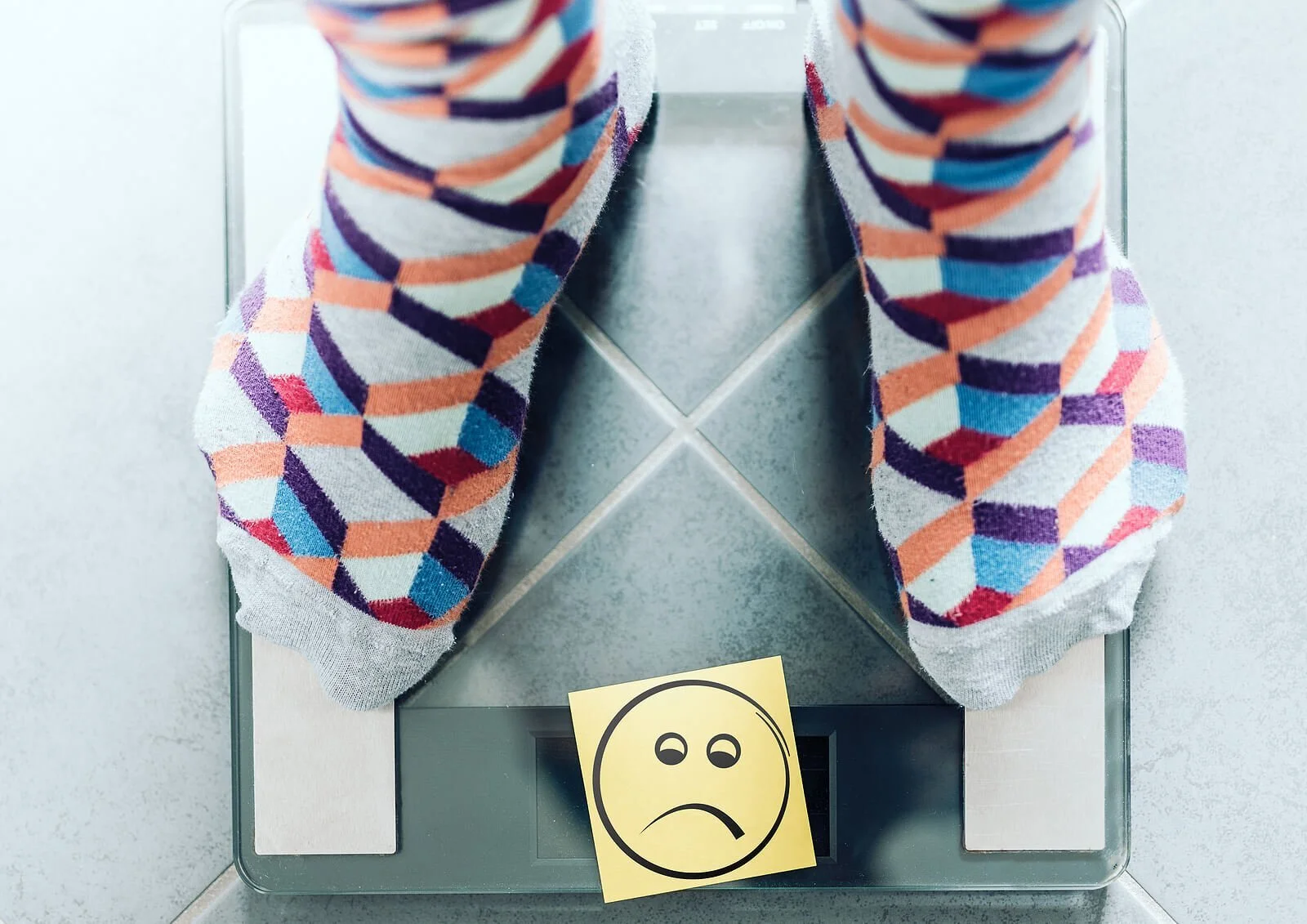
Have you ever googled, or posted on Instagram or Facebook asking, “how in the world can I improve my body image?”
Something to remember is that body image issues runs so much deeper than an image. There are often underlying causes—psychological, social, and cultural factors—that contribute to negative body image. When we singularly focus on the image of our bodies, we paralyze ourselves from actually peeling back layers to do healing work.
So, I’m curious, what do you really mean? Exposure to certain body types portrayed in media and society can shape our perceptions and self-esteem, making it even more challenging to develop a positive body image.
What does improving your body image look like to you?
If you weren’t consumed with the image of your body, what would you be doing?
How would your world be different? Even a small difference in body image can lead to meaningful improvements in your daily life and relationships.
Would there be more space for you to prioritize your relationship with your whole self?
How would your relationships shift?
Could you move on with your damn life and stop worrying so much about food and exercise? Sometimes, excessive exercise can be a response to negative body image, but it doesn't always lead to healthier outcomes.
These questions are a starter for body acceptance.
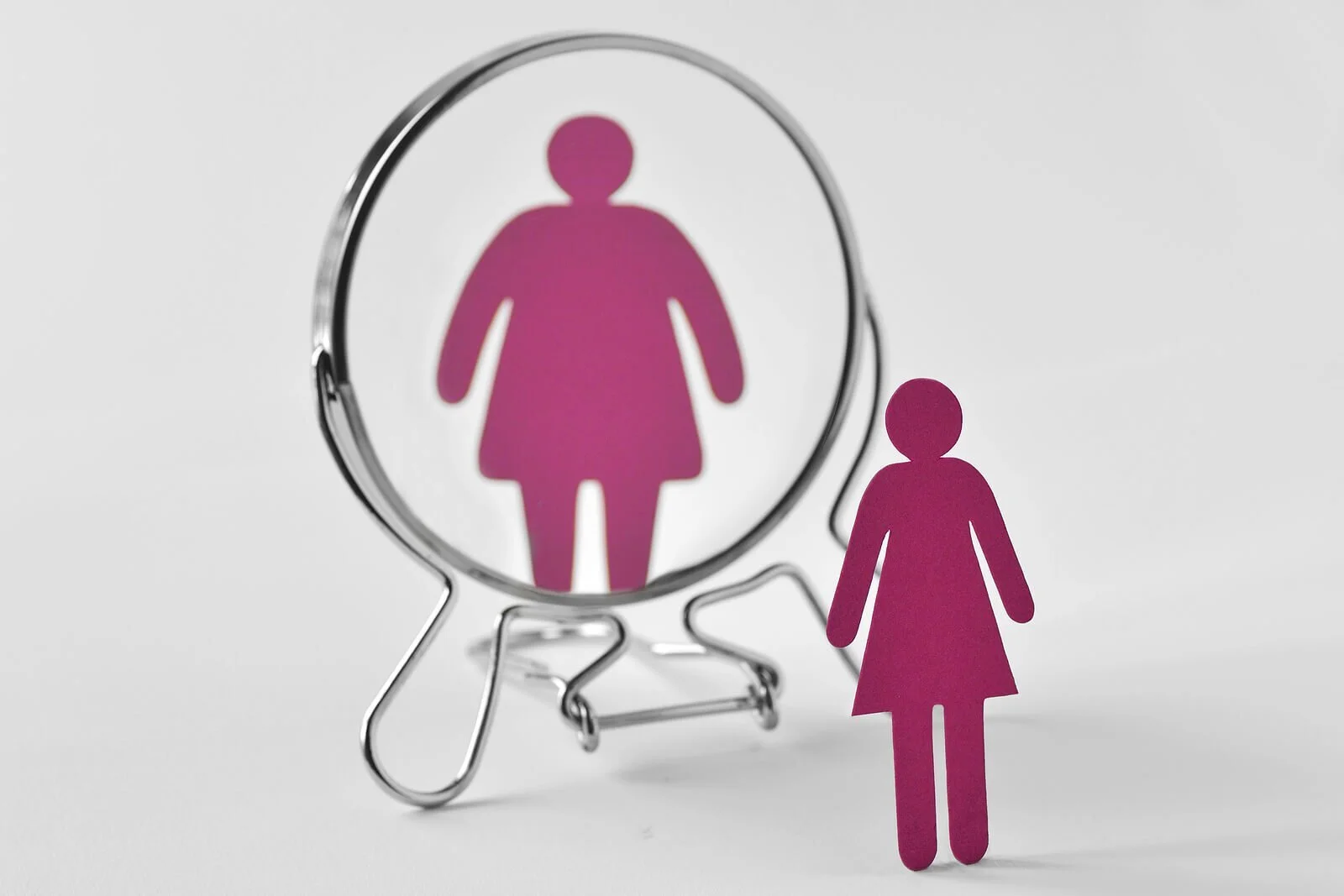
Once we disconnect from the body image and start bringing curiosity to underlying relationships, self-beliefs, patterns, and traumas that have informed our belief systems about our bodies and our relationship with food, we create space for something new. Depression and low self esteem often contribute to negative body image, making it important to address these psychological factors as part of the healing process.
And we can welcome a slow and steady shift from focusing on how we appear to the world, to how we feel in connection to our world, and to connecting with one's body and personal experience. And, more importantly, to ourselves.
I like to break body image work down into a handful of phrases. Now, these phases aren’t in a particular order, because as our bodies and our relationships in general, nothing is static. We have to expect good days and bad days and detach from the expectation that progress, or healing, happens in a linear fashion. Body acceptance takes time, so learn to be compassionate with yourself.
Acknowledgment
Awareness of how you speak to and about your body is crucial. Acknowledge how blaming and shaming actually make you feel (real feeling words here!) Does it inspire hope? Does it contribute to healing? Does it pull you toward lasting behavior change? Consider if you would speak to someone else as harshly.
Practicing positive self talk is important for challenging negative thoughts and fostering a healthier body image.
Respect
I firmly believe that you can not like something (or someone) and still show respect for it (or them). If you don’t like your body, instead of staring in the mirror trying to convince yourself that you think it’s beautiful (because has that really worked?!) try considering how you can show it respect. In the way you relate to it, feed it and move it.
This means respecting your body regardless of its weight or any perceived flaws, focusing on acceptance and care even if you notice imperfections.
Body Acceptance
We find a place of body acceptance by dropping out and away from judgment. Because we’ve been conditioned to judge ourselves SO harshly, it’s a practice to notice when we’ve fallen into the trap. Body acceptance means coming back to the here and now, even when we’re judging, to be with what is.
Accepting the reality of your current body, rather than focusing on subjective negative thoughts, can help address poor body image and foster greater self-compassion. A practice of acceptance can look like acknowledging when you’re speaking harshly to yourself, taking a deep breath, and making space for the idea that this is your body today. Nothing you can do right here, right now, is going to change that.
Trust
Trust, like in any relationship, develops with intentional practice over time. It’s turning inward, to the experience of your body, and trusting that it will, or is, sending you the information you need to care for it. This can mean trusting hunger and fullness, trusting energetic resources to support the movement or to encourage rest, or even trusting your gut reaction to something.
Talk therapy can support this process by providing a safe space to explore and build trust in your body through guided conversation and reflection.
Love
Many people talk about body love being the end goal of body-image work. But the truth is that most people won’t love their bodies each and every day of their lives. But, even when you can’t or don’t love your body, you can still intentionally practice fundamental parts of love: respect, acceptance, and trust.
A body positive approach in therapy can support these practices, helping you foster a healthier relationship with your body even when love feels out of reach.
Mindfulness and Self-Care for Body Image
I've been learning about mindfulness and self-care, these powerful ways to fight back against the lies about my body that try to steal my joy. Mindfulness invites me to become aware of my thoughts, feelings, and physical sensations without judgment... helping me see through the cultural messages that used to fuel my body shame. When I tune into the present moment, I can catch those negative thoughts about my appearance creeping in—and gently let them go, rather than letting them define my worth.
Self-care practices have become my lifeline in this journey. Moving my body in ways that feel good, nourishing myself with healthier choices, and making time to rest... these acts aren't about changing my body to fit some impossible ideal.
I've started doing regular mindfulness exercises—meditation, deep breathing, gentle movement—and they help manage the anxiety that used to consume me when I looked in the mirror. These practices have taught me self-compassion, allowing me to treat myself with kindness even when the old shame tries to creep back in. Over time, this compassionate awareness has led me to greater acceptance of my own body... and a more peaceful relationship with what I see looking back at me.
Body image therapy, especially approaches like acceptance and commitment therapy, became a lifesaver when I was drowning in my own self-hatred. This kind of therapy helped me accept my thoughts and feelings without letting them control my actions, and to commit to living in alignment with my values. It gave me psychological flexibility, body acceptance, and a stronger sense of self-compassion... all of which have improved my mental health and well-being in ways I never thought possible.
Now I try to focus on what my body can do, rather than obsessing over how it looks. Activities like yoga, walking, dancing... they help me appreciate my body's strength and resilience. They've fostered a greater sense of body positivity and self-esteem that I didn't know I could have. Connecting with supportive communities—support groups, trusted friends, mental health professionals—has given me encouragement and resources as I navigate these deep-rooted struggles.
It's important for me to remember that body image issues can affect anyone, and I've learned that marginalized bodies face even more barriers in developing positive body image. That's why seeking out effective support that honors individual needs is so crucial... we all deserve to find peace.
This journey of embracing mindfulness and self-care has been about finding peace with my own body and letting go of the pressure to meet impossible standards. Through practicing acceptance, getting therapy when I needed it, and connecting with people who truly see me... I've developed a more loving relationship with my body. One that supports my mental health, my well-being, and reminds me of my worth. I'm learning that I deserve to feel at home in this body, just as I am. These are the days I prayed for.
It takes time to understand your body image
Moving in and out of these phases of body image work not only moves you away from hinging your feelings about your body on the image but opens you up to getting to know your particular tendencies and patterns. They allow you to be in your current body, without expectation, while empowering you to work on your relationship with it. Therapy for body image can also play a key role in encouraging individuals to focus on body functionality and self-efficacy, which can positively influence how you feel about your body.
A closing note about body acceptance
Something that one of my clients recently shared with me was that body image work is like an endless marathon. As you move into healing, the endpoint seems to get further away. But, over time you build up endurance to keep going, to keep moving, to keep believing in yourself. So much so that your initial anticipated destination doesn’t seem all that important. Body acceptance is the process and the journey that really heals and truly sets you free. Recovery, including eating disorder recovery, is a gradual process that benefits from ongoing support, self-compassion, and professional guidance.
❤️
Sarah
At Reclaim Therapy We Can Help You With Body Acceptance in Horsham, PA.
We want to help you stop obsessing about your body. Body acceptance isn’t easy, but it’s necessary. Our eating disorder and body image therapists have experience treating a range of disorders and supporting clients through disorder recovery, helping you feel alive—connected to the people you care about and to your most authentic self.
We’re prepared to help you learn to respect and accept yourself with mind-body therapy. Let’s start bucking society’s rules by creating your own. When you’re ready, learn about our body image therapists, get in touch with us, and begin feeling more accepting of who you are!
looking for a different type of online therapy support?
We also provide specialized therapy in Pennsylvania for residents looking for comprehensive eating disorder therapy, binge eating therapy, body image therapy, EMDR therapy, grief counseling, and trauma treatment. All of our services are offered via online therapy in Pennsylvania, so you can get the therapy support you need from the safety of your own space. No matter who you are or what your size, you’re welcome, valid, and whole just as you are.