
Therapy for Complex PTSD and Childhood Trauma in Horsham, PA
You’ve survived this long. You don’t need to keep white knuckling through it.

Maybe you understand a lot about why you are the way you are.
And still, the overwhelm, shame, people pleasing, hypervigilance, shutting down, or feeling like something is wrong with you keeps showing up.
Complex trauma can affect so much more than how you remember the past. It can shape how you experience relationships, your body, your emotions, your needs, and yourself.
At Reclaim Therapy, our therapists specialize in complex PTSD and childhood trauma using approaches including EMDR, Somatic Experiencing, and parts work.
We provide in-person complex PTSD therapy at our Horsham, PA office for clients throughout Montgomery County, Bucks County, and surrounding communities.
What is Complex PTSD?
Complex PTSD, or CPTSD, describes trauma-related symptoms that can develop after prolonged or repeated traumatic experiences, especially when those experiences happen within relationships or during childhood.
Like PTSD, complex PTSD can involve symptoms such as intrusive memories, avoidance, feeling on edge, or strong reactions to reminders of what happened. Complex trauma can also affect emotional regulation, relationships, and your sense of yourself.
Complex PTSD can be caused by:
Prolonged domestic violence
Abuse, sexual abuse and/or neglect as a child
Being separated from your parent(s)
Having parents with narcissistic or borderline traits
Feeling chronically misunderstood, rejected, discounted or shamed
Receiving threats of violence
Exposure to substance misuse
Medical neglect
Resource insecurity (food, shelter, clothing)
Exposure to community violence
Prolonged captivity
Chronic discrimination
Genocide
Experiencing narcissistic abuse
Symptoms of Complex PTSD in Adults
Complex PTSD can show up in parts of your life you may not immediately connect to trauma.
From your relationships, to your body, your sense of self and your ability to feel safe anywhere.
Complex PTSD is associated with a longer duration and much higher intensity of traumatic stress, folks with CPTSD may experience more symptoms than folks with PTSD.
Some common of Complex PTSD:
Reexperiencing symptoms
Flashbacks of images, overwhelming emotions (feeling memories), or disturbing sensations
Nightmares, thinking about traumatic events at inconvenient times, and feeling triggered and overwhelmed
Avoidance Symptoms
Staying away from people or places that remind you of traumatic events and isolating yourself
Relying on alcohol, substances or food behaviors to numb from pain
Spending time caring for others, but ignoring yourself
Overworking to distract from feeling and being highly critical of yourself for lack of perfection
Persistent Perceptions of Current Threat
Being hyperaware and startling easy
Expectation of the worst happening and high sensitivity to other people’s non-verbal body language
Affect Dysregulation
Hopelessness, depression, anxiety and panic
Frequent feelings of anger and irritability
Suicidal ideation and/or urges to harm yourself
Negative Self Concept
Feeling like a failure, that you’re ineffective or powerless
Feelings of shame, unworthiness and guilt
Feeling as though there is something wrong with you, that you’re damaged or that you have little control over your life.
Interpersonal Disturbances
Feeling disconnected from people, or that you don’t belong
Feeling afraid that you’ll be left or abandoned
Having a hard time knowing who and how to trust
Dissociative Symptoms
Times when people, objects and the world feels unreal
Having difficulty remembering large portions of your life
Difficulty paying attention, or finding yourself staring into space/daydreaming for long periods of time
Therapy for Childhood Trauma and Complex PTSD in Horsham, PA

Complex trauma isn't only about what happened. It can also be shaped by what you needed and didn't consistently receive.
At Reclaim Therapy, we often talk about trauma as experiences that were too much, too soon, too much for too long, or too little for too long, especially without enough safety, support, or attunement.
For some people, childhood trauma involved experiences that were clearly harmful. For others, it was more about what was missing. Emotional safety. Protection. Consistency. Comfort. Having someone notice when something was wrong. Being able to have needs without feeling like those needs were too much.
These experiences can continue to shape how you relate to yourself and other people long after childhood is over. You may understand your history intellectually and still find yourself reacting in ways that feel confusing, automatic, or much bigger than the present moment.
Therapy for complex PTSD can help you begin to understand those patterns with less shame and build new ways of relating to yourself, your emotions, and the people around you.
How We Approach Complex PTSD Therapy at Reclaim Therapy
We don't rush this work.
Therapy for complex PTSD isn't linear, and it doesn't need to follow a predetermined timeline.
We pay attention to what you can tolerate, what helps you stay present, the resources and support you already have, and what you need before moving more directly into trauma processing.
We often think about complex trauma therapy in phases. Not because recovery fits neatly into boxes, but because different parts of the work may need different things
This typically looks like
Phase one:
Before moving directly into traumatic memories, we focus on building trust, understanding your patterns, and developing enough support and capacity to stay with what comes up without becoming completely overwhelmed or disconnected.
For some people, this part of therapy takes time. That's not getting stuck or doing therapy wrong. It's part of the work.
Phase two:
When you're ready, therapy may begin to work more directly with traumatic memories, emotions, beliefs, body sensations, or protective responses connected to what happened.
Depending on what you need, we may integrate EMDR, Somatic Experiencing, and parts work. This isn't about pushing you to relive your past. The work is paced around your capacity and what feels manageable enough to approach.
Phase three:
Over time, the focus often expands beyond what happened to how you want to live now.
That might mean developing a stronger sense of self, navigating relationships differently, having more choice when old patterns show up, and making more room for connection, play, rest, boundaries, and the parts of your life that matter to you.
How We Treat Complex PTSD
There's no one-size-fits-all approach to therapy for complex trauma.
What we use depends on you, what you're experiencing, and where you are in the therapy process. These are some of the approaches our therapists may integrate into complex PTSD treatment.

EMDR for CPTSD
EMDR is an evidence-based trauma therapy best known for the treatment of PTSD. When we use EMDR with complex trauma, we pay close attention to pacing, readiness, dissociation, and your ability to stay present with what comes up.
EMDR doesn't require you to retell every detail of what happened. When appropriate, it can help reduce the distress connected to traumatic memories and the ways past experiences continue to affect you in the present.
Somatic Therapy
Complex trauma doesn't only affect your thoughts and memories. You may notice it in your body's responses too. Tension. Shutting down. Feeling restless or on edge. Going numb. Or reacting to something before you fully understand why.
Somatic therapy helps you slow down and notice these responses with more curiosity and choice. At Reclaim Therapy, our somatic work is informed by Somatic Experiencing and an understanding of how protective responses can continue to shape the way you respond to stress, relationships, and perceived threat.

Internal Family Systems (parts work)
If you've ever felt like one part of you wants something while another part is terrified of it, parts work may give you a helpful way to understand that conflict.
Parts work can help you become curious about the protective strategies you've developed rather than fighting against them. Over time, the goal is to build a different relationship with the parts of you that learned to criticize, please, disconnect, stay vigilant, or protect you in other ways.
We may use one or several of these approaches depending on what fits you. The goal isn't to force your experience into a particular therapy model. It's to build treatment around the person sitting in front of us.

Meet Reclaim’s Complex PTSD Therapists in Horsham, PA
Sarah Herstich

Casey Koch

Laura Gordon

Emily Cinque

Bayley Saffier

Tanya Sheldon

Ashley Semmens
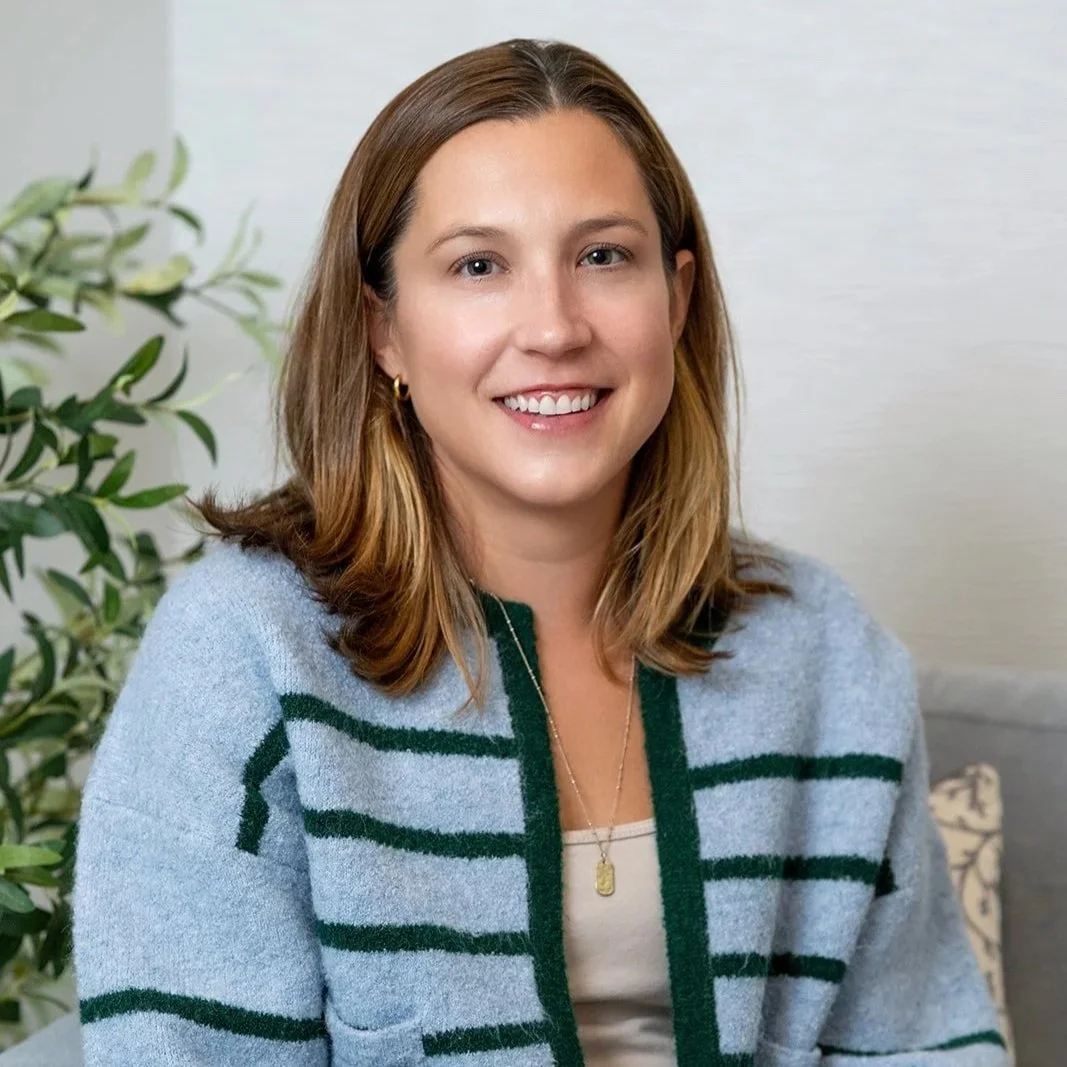
Jess Salatino

Erin Witmer
Complex trauma isn't just something we occasionally treat.
Our therapists specialize in complex trauma and childhood trauma, with advanced training in approaches including EMDR, Somatic Experiencing, parts work, attachment-focused therapy, and other trauma-informed approaches.
Just as importantly, we care about the relationship you have with your therapist. Especially when relationships haven't always felt safe, consistent, or trustworthy, therapy needs to be a place where you don't have to perform, get it right, or move faster than you're ready to.
Our team provides complex PTSD and childhood trauma therapy in person at our Horsham, PA office for clients throughout Montgomery County, Bucks County, and surrounding communities.
Ready to Start Complex PTSD Therapy in Horsham, PA?
You don't need to have the right words for what happened. And you don't need to know whether what you're experiencing “counts” as complex trauma before you reach out.
We'll start by learning more about what you're struggling with, what you're looking for in therapy, and what kind of support might feel like the right fit.
Ready to Get Started? Here’s How!
step 1
Schedule your free consultation call with Sarah below!
step 2
Meet with one of our Complex PTSD Therapists!
step 3
Start your healing journey. You and your therapist will build a foundation of safety and trust, moving into reprocessing your trauma as you’re ready.
Here at Reclaim Therapy we specialize in providing trauma informed therapy for CPTSD and childhood trauma in Horsham, PA.
We also provide EMDR therapy and therapy for PTSD in Pennsylvania.
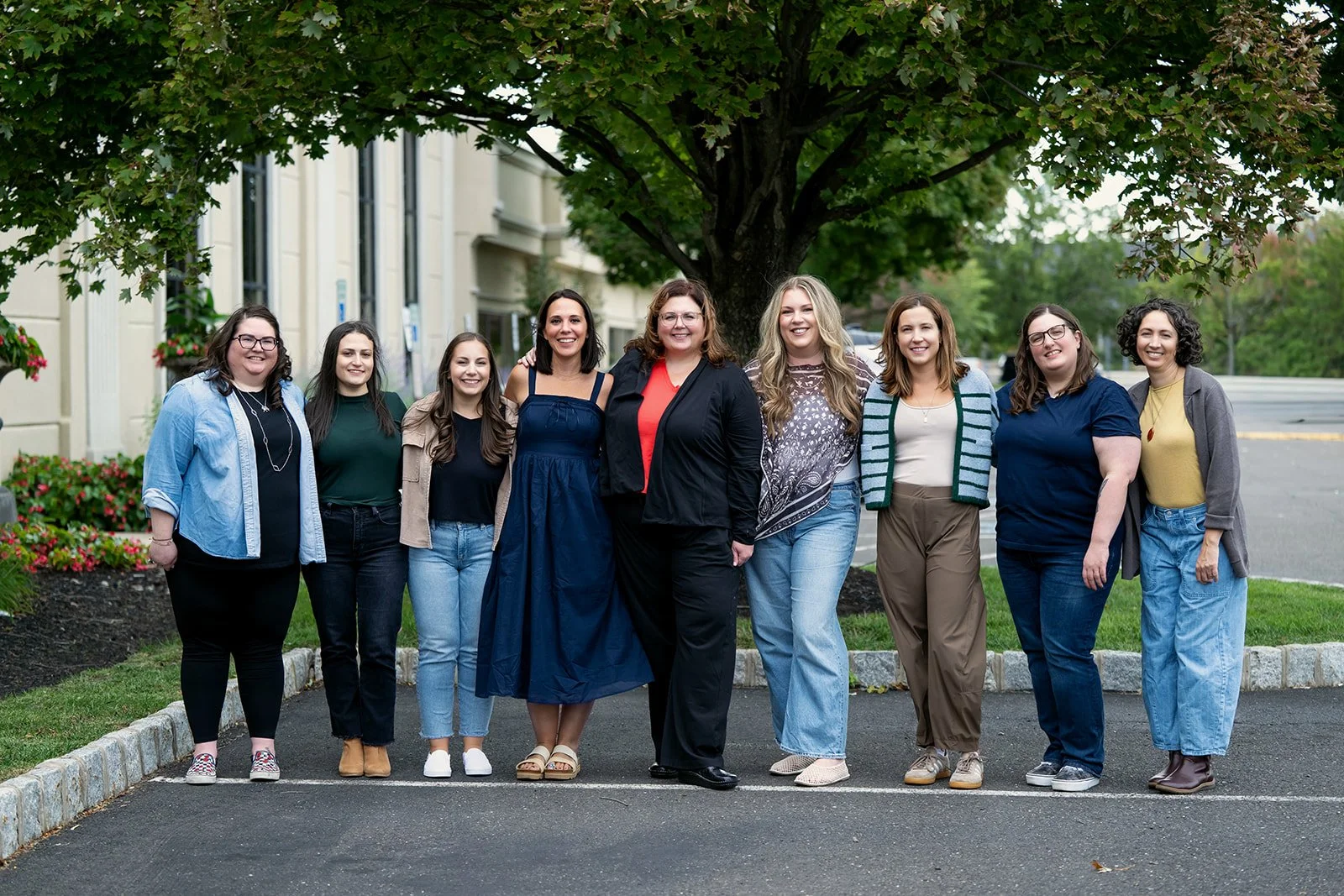
We’re prepared to help you reclaim your life from the impact of complex trauma
A life that feels more spacious. One that honors all parts of you and isn’t organized around the patterns that helped you survive for so long.
This work can ask a lot of you. It can also make room for more choice, connection, and a stronger sense of yourself.
And we’d be honored to walk alongside you as you do it.
Frequently Asked Questions About Complex PTSD Therapy in Horsham, PA
What is the difference between PTSD and complex PTSD?
PTSD and complex PTSD can both develop after traumatic experiences and share symptoms such as reexperiencing, avoidance, and feeling a persistent sense of threat.
Complex PTSD also includes ongoing difficulties with emotional regulation, relationships, and negative beliefs or feelings about yourself. It is often associated with prolonged or repeated trauma, particularly experiences that were difficult or impossible to escape.
What are common signs of complex PTSD?
Complex PTSD can show up differently from person to person. Common experiences can include emotional overwhelm or shutting down, shame and self-criticism, difficulty trusting others, people pleasing, hypervigilance, dissociation, relationship difficulties, and feeling disconnected from yourself or your needs.
You may also experience symptoms associated with PTSD, including intrusive memories, avoidance, nightmares, or strong reactions to reminders of what happened.
How do I know if I have complex PTSD?
There can be a lot of overlap between complex PTSD and concerns like anxiety, depression, dissociation, attachment difficulties, and other trauma-related symptoms.
You don't need to figure out the diagnosis on your own. A trauma-informed therapist can help you understand what you're experiencing, how your history may be affecting you now, and what kind of support might be helpful.
What kind of therapy is used for complex PTSD?
There isn't one therapy approach that's right for every person with complex PTSD.
At Reclaim Therapy, our therapists may integrate EMDR, Somatic Experiencing, parts work, attachment-focused therapy, and other trauma-informed approaches depending on your needs. We also pay close attention to pacing, readiness, dissociation, and the therapeutic relationship rather than assuming trauma processing should begin right away.
Do I have to remember my childhood to work on childhood trauma?
No. Some people have clear memories of childhood while others remember very little or have significant gaps.
Therapy doesn't require you to recover memories or create a complete account of your childhood. You can work with what you do know and with the emotions, beliefs, patterns, relationships, and responses affecting you now.
How long does therapy for complex PTSD take?
There isn't a set timeline for complex PTSD therapy. The length of therapy depends on your history, current symptoms, goals, support system, and the kind of work you're doing.
Especially with complex or developmental trauma, we don't believe in rushing trauma processing just to meet a predetermined timeline.
Do you offer complex PTSD therapy near me in Montgomery County, PA?
Yes. Reclaim Therapy provides in-person complex PTSD and childhood trauma therapy at our office in Horsham, PA. We work with clients throughout Montgomery County and Bucks County, including nearby communities such as Hatboro, Willow Grove, Ambler, Fort Washington, and Warrington.
How do I get started with a complex PTSD therapist at Reclaim Therapy?
Start by scheduling a free consultation. We'll learn more about what you're looking for and help match you with a therapist on our team based on your needs, preferences, and goals for therapy.