
Therapy for People Pleasing in Horsham, PA and Across Pennsylvania
For the ones who say yes before they've had a chance to check in with themselves.

You might be the easiest person in every room.
You agree before you've decided, you apologize for things that aren't your fault, and you can tell someone is upset before they say a word.
Therapy for people pleasing at Reclaim Therapy helps you understand why saying no feels so unsafe, and helps your nervous system learn that you can have needs and still be loved.
We see clients in person in Horsham, PA, and virtually across Pennsylvania.
Signs You’re a People Pleaser
Common signs of people pleasing show up a little differently for everyone. People who come to us often say they:
Say yes automatically, then resent it later
Apologize for things that aren't their fault
Replay conversations for hours, wondering if someone is mad at them
Can read the mood in a room instantly but have no idea what they want for dinner
Feel guilty or panicky when they set a boundary, even a small one
Are the one everyone calls in a crisis, and rarely call anyone themselves
You don't have to be miserable to deserve support. Many people-pleasers look like they're doing great, and that's part of what makes it so hard to talk about.
What Is People Pleasing?
People-pleasing is a pattern of putting other people's needs, feelings, and approval ahead of your own, often automatically and at a real cost to you.
For many people, it isn't a choice or a character flaw, it's a stress response called fawning.
Therapist Pete Walker, who writes extensively about complex PTSD, describes the fawn response as a fourth survival response alongside fight, flight, and freeze. When you're fawning, your nervous system seeks safety by keeping other people happy, calm, and close.
Fawning is a way of understanding a survival pattern, not a formal diagnosis, and you can learn more about the fawn response on our blog.

Why People-Pleasing Starts
People-pleasing usually makes sense once you look at where it came from. Maybe a parent's mood set the temperature of the whole house. Maybe being easy, helpful, or invisible was how you stayed out of trouble or earned a little warmth. Maybe your feelings were treated as too much, so you learned to focus on everyone else's.
Those were smart adaptations for a kid with no other options. The problem is that your nervous system kept running the same strategy long after you grew up, so a "can we talk later?" text can still send your stomach to the floor, and a sigh from your partner in the next room can have you replaying everything you said today.
“The self-identified people-pleasers I work with can read their mom's mood from the way she says hello, know what their boss needs before the meeting starts, and remember exactly how everyone takes their coffee. Then I ask what they need, and they go blank. That blank isn't a flaw. It's what happens when a kid learns that having needs is the fastest way to lose the people they depend on."
Sarah Herstich, LCSW, founder of Reclaim Therapy
People-Pleasing and Kindness Are Not the Same Thing
Kindness comes from choice. You can give and still feel like yourself. Fawning comes from fear, and it usually leaves you depleted, resentful, or disconnected from what you actually want.
Healing doesn't make you less caring. It makes your caring something you get to choose.
How Therapy for People Pleasing Works at Reclaim
Our trauma therapists work with both the patterns and the nervous system underneath them.
Some sessions are practical, like practicing a no, preparing for a hard conversation, or noticing what you want.
Much of the work is helping your body learn that disappointing someone is survivable.

EMDR Therapy
EMDR therapy helps process the experiences that taught you beliefs like "my needs are a burden" or "if they're upset, I'm in danger." As those beliefs lose their charge, saying no often stops feeling like a threat.

Somatic Therapy
Somatic Experiencing is a body-based approach that helps you notice the physical signals of fawning, like a tight throat or an automatic smile. Over time, it builds the capacity to pause before you say yes.

Internal Family Systems (parts work)
Parts work, including Internal Family Systems, helps you get to know the part of you that keeps everyone happy. That part has worked hard to protect you, and it deserves compassion rather than another lecture about boundaries.
Who We Work With
We work with adults across Pennsylvania who are worn out from keeping everyone else comfortable. That includes the responsible oldest daughter, the helper who gives all day at work, parents who can't stop managing everyone's feelings, and cycle breakers who want their kids to grow up knowing their needs matter.
Many people we see for people pleasing also carry burnout, complex trauma, perfectionism, or anxious attachment, and our trauma therapy is built to hold all of it.
Our Therapists who Specialize in People Pleasing
Every therapist at Reclaim Therapy is trauma-focused, and all of us see clients working through people pleasing.
You can learn more about each of them on our Meet Our Team page.

Sarah Herstich, LCSW

Casey Koch, LCSW

Laura Gordon, LPC
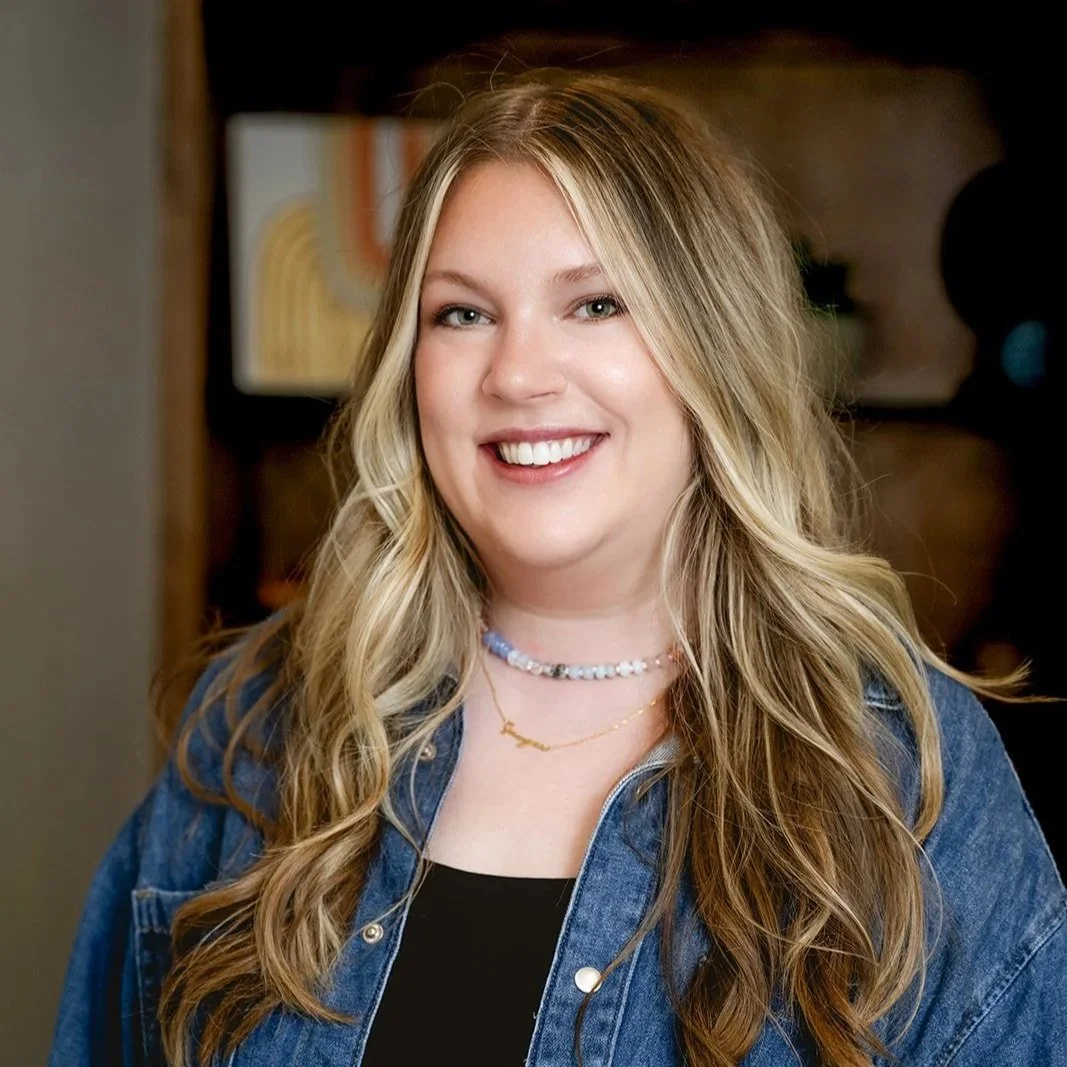
Emily Cinque, LPC

Bayley Saffier, LSW

Ashley Semmens, LPC

Erin Witmer, LCSW

Tanya Sheldon, LPC

Jess Salatino, LCSW
Our Training and Certifications


What to Expect in Therapy for People Pleasing
Reaching out can stir up the very fear of being a burden that brought you here, so we try to make the first steps simple.
Your Free Consultation
It starts with a free phone consultation (book below!). We'll talk about what's been going on, what you're hoping for, and what you're looking for in a therapist. Then we'll match you with someone on our team who fits your needs and your schedule.
Here’s a map of the first few steps!
Your First Few Sessions
The early sessions are about getting to know you and helping you feel a little more steady. Your therapist will learn about your history, your relationships, and how people pleasing shows up in your body and your life. You won't have to perform or be a good client here. Showing up as you are is enough.
The Pace of the Work
Therapy at Reclaim is collaborative and paced to your nervous system. We don't push you to process more than you can hold, and we build in plenty of time for stabilization and practical support. Deeper work with EMDR, Somatic Experiencing, or parts work happens when you're ready for it, not before.
What Can Change in Therapy for People Pleasing
Our hope is that you can say no without a shame spiral, notice what you want before you agree to something, feel less exhausted in your relationships, and trust that the people who matter can handle your honesty.
You don't stop being warm. You stop disappearing to keep everyone else comfortable.
Get Started with Burnout Therapy in Horsham and Virtually across Pennsylvania
Reclaim Therapy offers therapy for people pleasing in person at our office at 400 Horsham Road, Suite 100, in Horsham, PA. We serve Montgomery County, Bucks County, and Philadelphia, and we offer virtual therapy for anyone located in Pennsylvania. We have daytime and evening sessions available. Schedule a free consultation below to get started.

Frequently Asked Questions
What is therapy for people pleasing?
Therapy for people pleasing helps you understand and change the habit of putting everyone else's needs ahead of your own. At Reclaim Therapy, it's trauma-informed, so we work with the survival patterns and nervous system responses underneath the behavior, not just the behavior itself.
Is people-pleasing a trauma response?
People-pleasing can be a trauma response, often called fawning, though not everyone who people-pleases has trauma. When it feels automatic, fear-driven, and hard to stop even when you want to, it's often a survival strategy that developed in early relationships.
What kind of trauma makes you a people pleaser?
People-pleasing often grows out of relational or developmental trauma, like growing up with a parent who was critical, unpredictable, emotionally unavailable, or overwhelmed. Childhood emotional neglect, where your feelings weren't noticed or responded to, is a common root that many people don't recognize as trauma at all.
What is the fawn response?
The fawn response is a survival response where your nervous system seeks safety by appeasing, agreeing with, or caring for the person who feels threatening. Therapist Pete Walker described it as a fourth response alongside fight, flight, and freeze.
How do I stop people-pleasing?
You start by noticing the moment you're about to say yes, and getting curious about what your body is feeling right then. Because people-pleasing is often a nervous system pattern, lasting change usually comes from building a felt sense of safety, not just practicing scripts, which is where trauma-informed therapy helps.
What is the best therapy for people-pleasing?
The best therapy for people-pleasing depends on what's driving it. Cognitive and skills-based approaches can help with boundaries and assertiveness, and when people-pleasing is rooted in trauma, approaches like EMDR, Somatic Experiencing, and parts work can help address the roots.
How long does therapy for people pleasing take?
The length of therapy varies, and many people work with us for several months or longer. Some notice changes in the first few sessions, like catching themselves before an automatic yes, while deeper shifts in long-standing patterns take more time.
Do you offer virtual therapy for people pleasing?
Yes, we offer virtual therapy for anyone located in Pennsylvania. We also see clients in person at our office in Horsham, PA.
Does insurance cover therapy for people pleasing?
Reclaim Therapy is out of network with insurance. Our Fees & FAQ page has details about payment, and we're happy to answer questions during your free consultation.