
Postpartum Therapy in Horsham, PA for Depression, Anxiety, and Birth Trauma
Support for postpartum anxiety, depression, birth trauma, intrusive thoughts, identity shifts, and the parts of motherhood no one prepared you for.
Becoming a parent can be meaningful, deeply wanted and still feel overwhelming, lonely, confusing, or heavier than you expected.
A lot of moms carry thoughts like:
• Why does this feel harder for me than everyone else?
• I should be grateful… so why am I struggling?
• I don’t feel like myself anymore
• What if something is wrong with me?
Postpartum struggles can look like anxiety, numbness, irritability, intrusive thoughts, disconnection, self-doubt, or simply feeling unlike yourself.
Therapy can give you a place to talk honestly about what this season has been like without minimizing it, forcing gratitude, or expecting you to hold everything together.
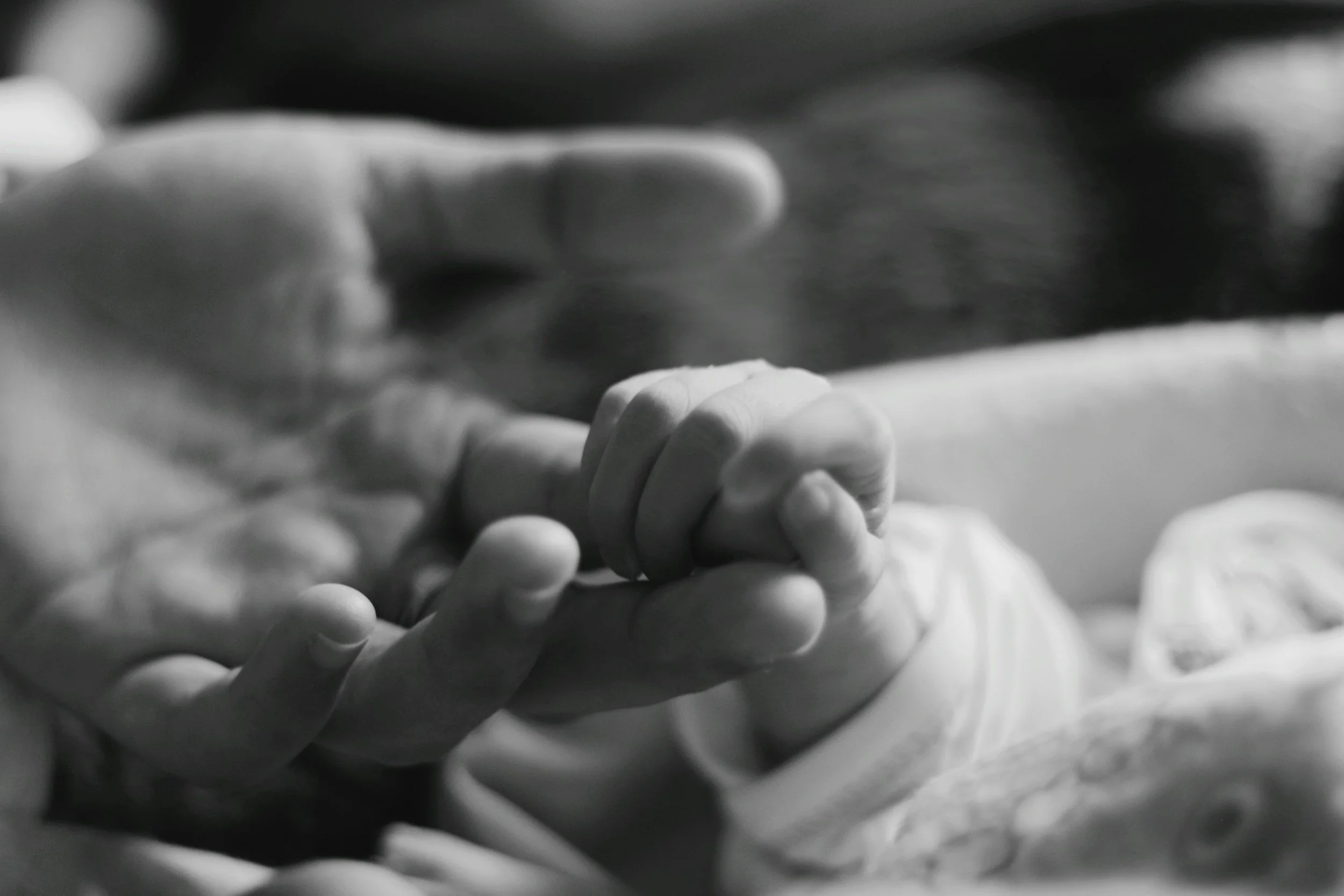
Postpartum therapy offers a space where you don’t have to minimize, perform gratitude, or hold everything together on your own.
At Reclaim Therapy, we provide in-person postpartum therapy at our Horsham, PA office for clients throughout Montgomery County, Bucks County, and surrounding communities.
Postpartum often feels much harder than you expect it to.
And, sometimes postpartum struggles don’t look like obvious depression.
They can look like:
constant worry about your baby
intrusive or scary thoughts that feel shameful to admit
feeling emotionally flat or disconnected
grief for your old life or independence
irritability, rage, or overwhelm that feels out of character
guilt for needing support
difficulty bonding, or fear that you’re doing it wrong
body image distress or feeling unfamiliar and not at home in your body
replaying (flashbacks) parts of your birth that felt scary, chaotic, or out of control
Many moms are incredibly high-functioning on the outside while feeling anxious, numb, lonely, or unsure of themselves internally.
Postpartum therapy helps make sense of these experiences without judgment, and without rushing you into “fixing” yourself.
What We Help With in Postpartum Therapy at Reclaim
Postpartum struggles can look different from person to person. At Reclaim Therapy, we support moms navigating postpartum depression and anxiety, birth trauma, body image and eating concerns, and the identity shifts that can come with motherhood.
Postpartum depression and anxiety therapy
Postpartum depression and postpartum anxiety are incredibly common, but they’re often hidden behind pressure to be grateful, capable, and emotionally steady.
Therapy can support you if you’re experiencing:
sadness, hopelessness, or emotional numbness
persistent anxiety or racing thoughts
difficulty sleeping even when exhausted
feeling overwhelmed by everyday caregiving demands
self-criticism or shame about how you’re coping
fear of being judged as a parent if you ask for help
You don't have to wait until things feel unbearable to ask for support. Postpartum therapy can give you space to understand what you're experiencing, feel less alone with it, and find ways of caring for yourself while you're caring for everyone else.
Birth trauma therapy
A birth can be medically uncomplicated and still feel traumatic. And a birth that others describe as having “gone well” may not have felt that way to you.
Birth trauma can involve feeling frightened, helpless, out of control, unheard, dismissed, violated, or unsure whether you or your baby were safe.
You might notice:
replaying parts of the birth experience
feeling dismissed, powerless, or unheard during delivery
anxiety around medical settings or future pregnancies
emotional shutdown when thinking about the birth
grief for the experience you hoped to have
Sometimes people minimize what happened because they or their baby are physically okay now. But the outcome doesn't erase how you experienced what happened.
Birth trauma therapy can give you space to process the experience and the ways it may still be affecting you. When appropriate, our therapists may also integrate EMDR as part of that work.
Therapy for Postpartum Body Image and Identity Shifts
Your body may feel unfamiliar after pregnancy and birth. And the pressure to “get your body back” can make an already complicated transition even harder.
Postpartum body image struggles can show up alongside changes in identity, your relationship with food, intimacy, movement, or the way you experience your body.
Many moms struggle with:
• feeling disconnected from their body
• pressure to “bounce back”
• grief around body changes
• disordered eating patterns resurfacing
• confusion about who they are outside of caregiving
Postpartum therapy can make room for all of this without making weight loss, body love, or “getting back to yourself” the goal.
Our approach is weight-inclusive and trauma-informed. We can help you explore your relationship with your body, food, and identity without adding more pressure to a season that may already hold plenty of it.
How Postpartum Therapy in Horsham, PA Can Help
Our approach to postpartum therapy is collaborative, trauma-informed, and shaped around what you're experiencing rather than what you think you “should” be feeling.
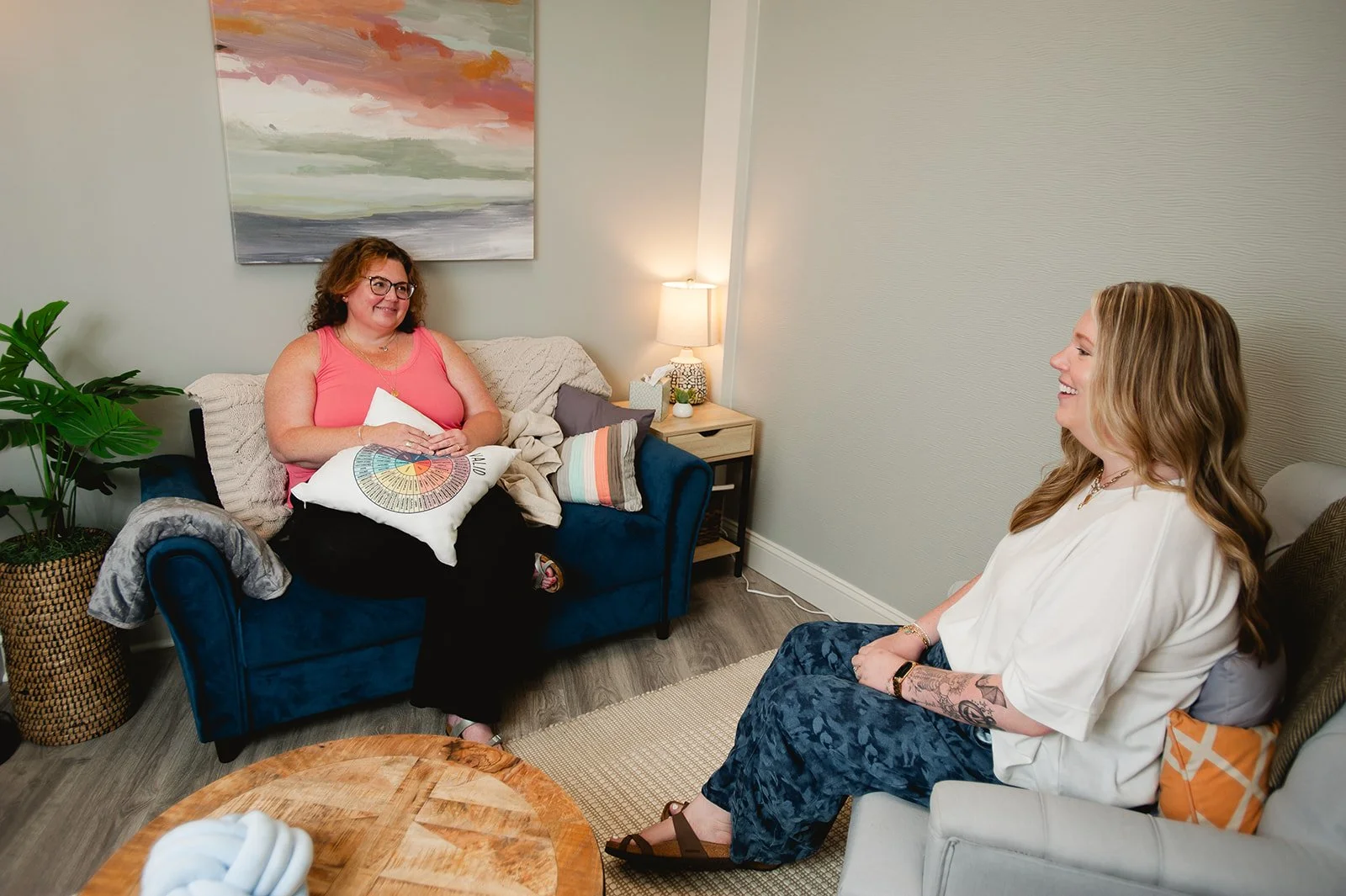
Therapy might include:
support for postpartum anxiety and depression
EMDR therapy for birth trauma or medical trauma
nervous system regulation and overwhelm recovery
processing intrusive thoughts
attachment and bonding support
identity integration and grief processing
postpartum body image and eating disorder support
This work is paced, collaborative, and grounded in consent, especially important during a season where so much can feel out of your control.
Postpartum Therapy in Horsham, PA with Reclaim Therapy
Reclaim Therapy provides in-person postpartum therapy at our office in Horsham, PA for clients throughout Montgomery County, Bucks County, and surrounding communities.
Our therapists support moms navigating postpartum depression and anxiety, birth trauma, intrusive thoughts, body image concerns, eating disorders, and the identity shifts that can come with becoming a parent.
Virtual therapy is also available for clients located throughout Pennsylvania when online sessions are a better fit.
Meet Reclaim’s Postpartum and Birth Trauma Therapists

Emily Cinque

Tanya Sheldon
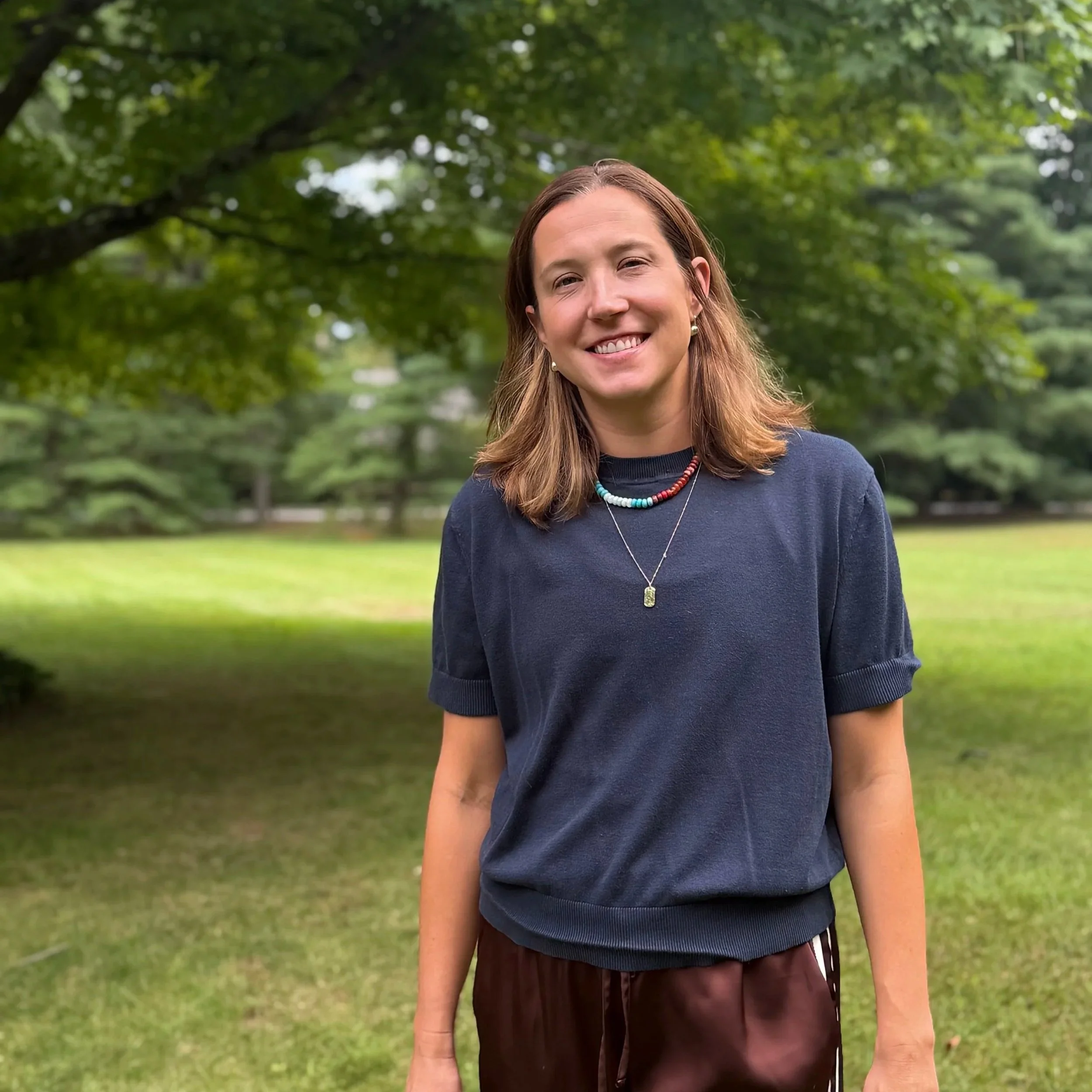
Jess Salatino
You don’t have to wait until things feel (even more) unbearable
A lot of moms delay therapy because they tell themselves:
other people have it worse
I should be able to handle this
this is just what motherhood is like
Support doesn’t have to be reserved for crisis.
Postpartum therapy can be a place to talk honestly about what you're experiencing, feel supported, and get help with the parts of postpartum and motherhood that have become difficult to carry on your own.

Get Started With Postpartum Therapy in Horsham, PA
You don’t need to know exactly what kind of support you need before reaching out.
We’ll start by learning more about what you’re experiencing and what you’re looking for in a therapist.
Step 1
Schedule a free consultation with Sarah. We'll talk a little about what brings you to therapy and what you're hoping for.
Step 2
We'll match you with a Reclaim therapist based on your needs, preferences, and what you're looking for in therapy.
Step 3
Meet with your therapist and begin figuring out together what support makes sense for you.
Frequently asked questions about postpartum therapy
How do I know if I need postpartum therapy?
You don’t have to wait until things feel unbearable to deserve support.
Many moms seek therapy because something feels different. Maybe you feel more anxious, heavier, lonelier, or less like yourself than you expected. You might still be functioning, caring for your baby, and showing up for daily life while feeling overwhelmed or disconnected internally.
Postpartum therapy can give you a place to better understand what you're experiencing and get support with the parts of postpartum or motherhood that feel difficult to manage on your own.
Is postpartum anxiety or having intrusive thoughts normal?
Anxiety and unwanted intrusive thoughts can occur during the postpartum period, and they can feel scary, confusing, or shameful, especially when the thoughts don’t match how you see yourself as a parent.
Having an unwanted intrusive thought does not mean you want it to happen or that you will act on it.
If intrusive thoughts are frequent, highly distressing, interfering with daily life, or making you avoid caring for yourself or your baby, therapy can help you understand what you're experiencing and find appropriate support.
Can therapy help with birth trauma even if my baby is healthy?
Yes.
A healthy baby doesn’t erase a frightening, overwhelming, painful, or disempowering birth experience.
You can feel relieved or grateful that your baby is healthy and still carry fear, grief, anger, anxiety, or distress related to what happened. Therapy can give you space to process the birth experience and the ways it may still be affecting you.
Is online postpartum therapy effective?
Online therapy can be a helpful and accessible option during the postpartum period, particularly when childcare, feeding schedules, travel, sleep, or limited energy make getting to an office difficult.
Reclaim Therapy offers virtual postpartum therapy for clients located throughout Pennsylvania, as well as in-person postpartum therapy at our Horsham, PA office.
What if I feel guilty for struggling after having my baby?
You can love your baby deeply and still feel overwhelmed, anxious, disconnected, angry, grieving, or unsure of yourself.
Gratitude and struggle can exist at the same time. Therapy gives you a place to talk honestly about your experience without having to minimize what you're feeling or compare your experience to someone else's.
Can postpartum therapy help with postpartum body image issues and identity changes?
Yes. Pregnancy, birth, and becoming a parent can change your relationship with your body, food, identity, relationships, and sense of self.
Postpartum therapy can help you explore body image distress, shifts in eating patterns, grief around body changes, and questions about who you are outside of caregiving.
At Reclaim Therapy, this work is weight-inclusive and does not assume that changing your body is the solution to body image distress.
How soon after birth can I start postpartum therapy?
There isn’t one “right” timeline.
Some people begin therapy during pregnancy. Others reach out weeks or months postpartum, and some seek support years later when they realize a birth experience or transition into parenthood is still affecting them.
You can reach out whenever you feel like additional support would be helpful.