
Eating Disorder Therapy in Horsham, Pennsylvania
Reclaim Therapy is a team of eating disorder therapists offering in-person therapy in Horsham and online throughout Pennsylvania.
We specialize in therapy for anorexia, bulimia, binge eating disorder, ARFID, disordered eating, compulsive exercise, and body image concerns.
Our therapists provide weight-inclusive, trauma-informed eating disorder treatment for teens and adults throughout Montgomery County, Bucks County, and across Pennsylvania.

Freedom from your eating disorder is possible
Your eating disorder has become so consuming that you wonder if you'll ever recover.
Deep down, you know there's so much more to life than obsessing over food and your body.
You're ready to find an eating disorder therapist who understands how complicated recovery can be and can help you find a way forward.
You never meant for things to get this bad, but your obsession with food, your weight, and your appearance has spun out of control.
The drive to control the way you show up to your world has you leaning on behaviors that you know are destructive...to your body and to your mind.
And, you've tried everything you can think of to stop engaging in them.
But, urges to restrict, binge, purge, and/or overexercise are intense. And you haven't been able to move through them on your own.
There's no shame in asking for support
In fact, reaching out for help is a brave first step…
In believing in your ability to overcome your eating disorder
Eating Disorder Symptoms
Eating disorders are serious mental and physical illnesses. Eating disorders are complex conditions that require a multifaceted approach to treatment. They can impact people of all ages, genders, races, backgrounds, and body types. However, eating disorders are treatable illnesses, but many times go unrecognized for long periods of time.
There are many different types of eating disorders, including disordered eating, which impacts approximately 75% of people who identify as women.
Common symptoms that people struggling with an eating disorder, or disordered eating, might include:
A preoccupation with body size and food, including calories, and macronutrients
Rigid food rules and rituals around meal times and food
Frequent body checking including weighing, use of mirrors, and physical body checks
Withdrawal from social interactions and activities due to preoccupation with body and food
Cutting out entire food groups and engaging in fad diets
Irregularities in, or loss of, menstrual patterns
Gastrointestinal complaints including constipation, upset stomach, and reflux
Dry skin, damaged nails, and hair
Hair loss
Feeling cold most of the time
Dizziness upon standing or changing positions
Problems going to sleep or staying asleep
Abnormalities in blood work
At Reclaim Therapy we provide specialized therapy for eating disorders for anorexia, bulimia, disordered eating, binge eating disorder, orthorexia, ARFID and compulsive exercise.
-
Noticeable, often drastic, weight loss
Obsession with food, weight, and body appearance
Intense fear of weight gain and body changes
Rigidity around what, how much, and when food can be eaten
Numbness to emotion and difficulty concentrating
Abnormalities in bloodwork and irregularities in menstrual patterns.
An anorexia therapist can help!
-
Hyper-focus on weight loss, and control of what is eaten, how much, and when
Frequent dieting attempts
Weight cycling (also known as yo-yo dieting)
Symptoms of anorexia, bulimia, and binge eating
Body image concerns and preoccupation with body size
-
Eating quantities of food to the point of over fullness and discomfort
Feeling disconnected or absent from eating experiences
Intense feelings of shame around eating patterns, especially post-binge
Visit our binge-eating specialty page for more information. Or check out our guide to overcoming binge eating disorder for more information.
-
Extreme pickiness in choosing food
Anxiety when presented with “fear” foods
For adults, weight loss; for children, failure to gain weight
Dependence on nutritional supplements, a feeding tube, or both
Avoidance of particular foods, based on texture, color, taste, smell, food groups, etc.
Frequent vomiting or gagging after exposure to certain foods
Difficulty chewing food
Lack of appetite
Trouble digesting specific types of foods
Consumption of extremely small portions
Dependence on external feeding tubes or nutritional supplements
Social isolation
-
Purging or compensatory behaviors in an attempt to prevent or control weight gain (self-induced vomiting, laxatives, diuretics, over-exercise, fasting)
Episodes of binge eating followed by episodes of purging
Maintenance of rituals or schedules to accommodate purging
Focus on weight loss, dieting, and how the body appears
-
Hyper-focus on nutrition and health
Rigidity around checking nutrition labels and ingredients
Preoccupation with “health lifestyle” blogs and social media accounts
Resistance or inability to consume foods outside of what is deemed “healthy” or “clean”
-
Rigidity around the exercise schedule
Extreme discomfort with rest or downtime
Anxiety, irritability, depression, and guilt if exercise is missed or unscheduled
Using exercise as a compensatory behavior for food consumed
Engaging in exercise despite scheduling of important events, injury, and health concerns.
Eating disorder treatment should fit the person, not just the diagnosis.
At Reclaim Therapy, we take time to understand your eating disorder, the role it has come to play in your life, and what may be making recovery difficult right now.
Treatment might include working with patterns around food and movement, body image, emotions, perfectionism, shame, relationships, nervous system regulation, or past experiences. When trauma is part of the picture, we can integrate approaches like EMDR for Eating Disorders and Somatic Experiencing alongside eating disorder treatment.
The work looks different for everyone. What matters is that we're treating the whole person while still taking the eating disorder seriously.
Specialized Therapy for Eating Disorders Can Help You Recover

You deserve eating disorder treatment that understands how complicated recovery can be
Eating disorder recovery is about more than knowing what you're “supposed” to do around food.
Our eating disorder therapists help you work toward more flexibility with food and movement, a different relationship with your body, and more space for a life that isn't organized around your eating disorder.
We'll meet you where you are while still taking the eating disorder seriously. That means moving at a pace you can stay connected to, being honest about what recovery asks of you, and supporting you as you practice doing things differently.
Meet Reclaim’s Eating Disorder Therapists

Sarah Herstich

Casey Koch

Laura Gordon
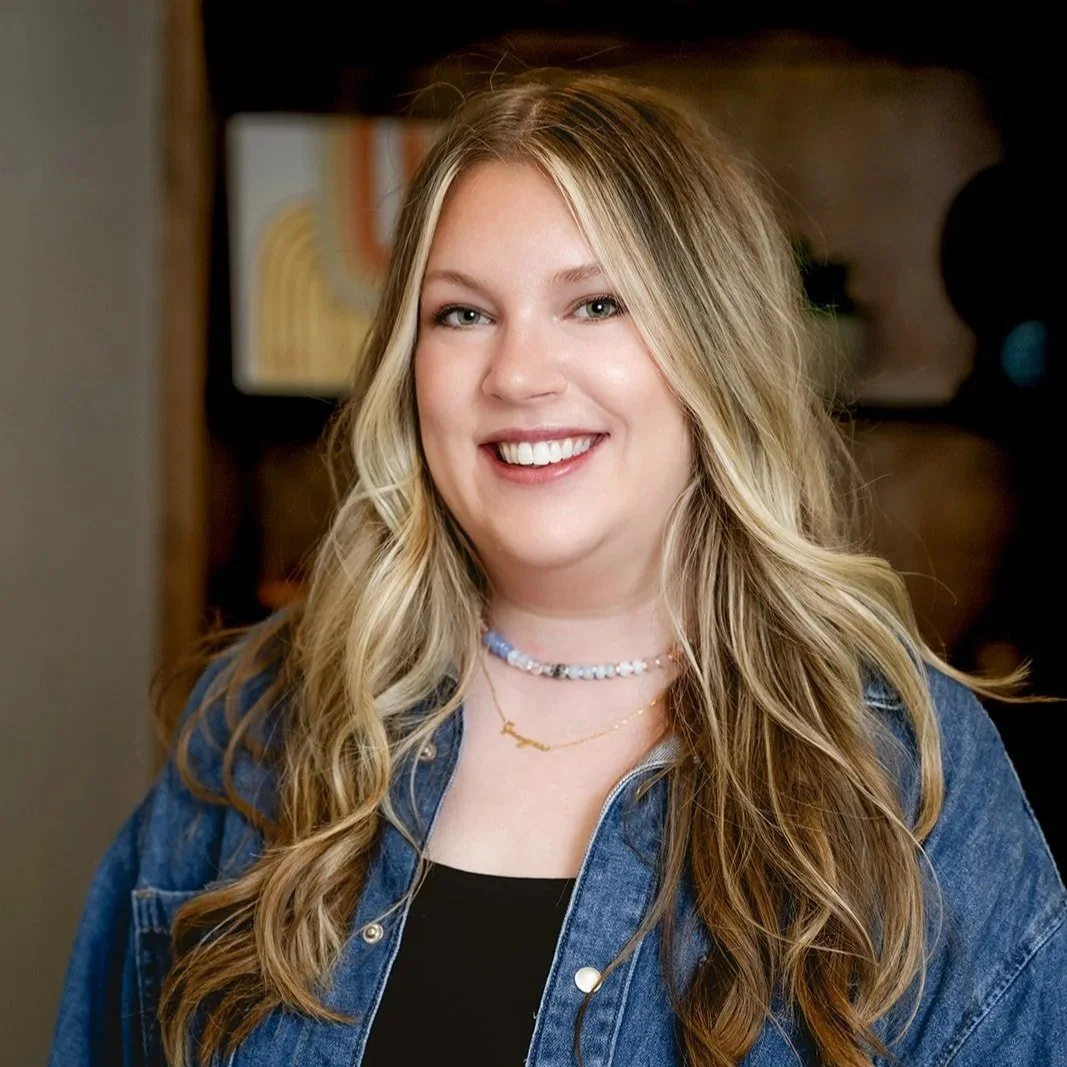
Emily Cinque

Ashley Semmens
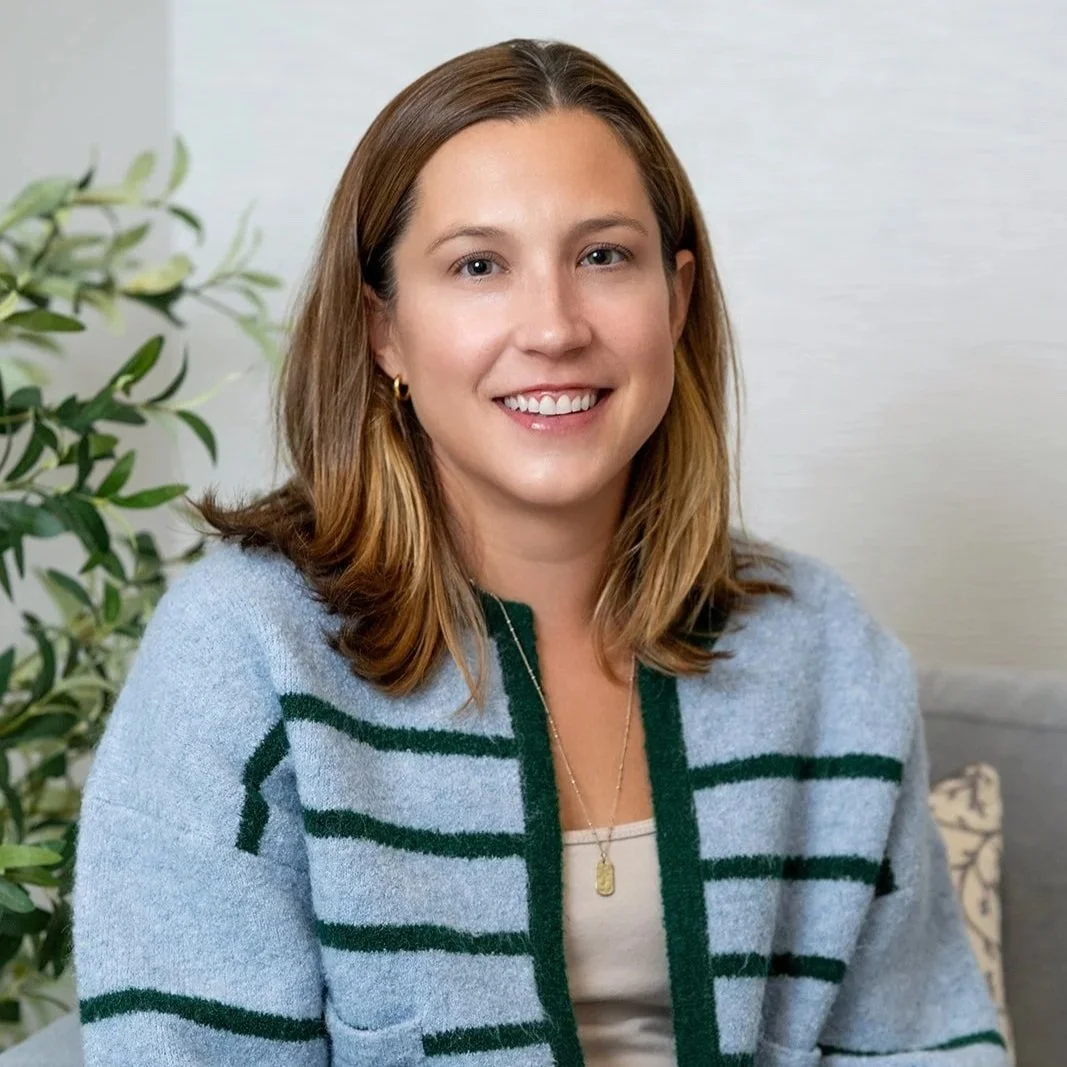
Jess Salatino
We’re passionate about helping people reclaim their lives from the impact of disordered eating, body-shame and diet culture.
Get Started With Eating Disorder Therapy in Horsham, PA
Finding an eating disorder therapist who truly specializes in this work can make a huge difference.
At Reclaim Therapy, our eating disorder therapists provide in-person treatment at our Horsham office for teens and adults throughout Montgomery County and Bucks County. We also offer online eating disorder therapy throughout Pennsylvania via telehealth.
To get started, follow these steps:
step 1
Schedule a free consultation so we can learn a little about what you're looking for and answer your questions.
step 2
We'll match you with a Reclaim therapist based on your needs, goals, and what you're hoping for from therapy.
step 3
Begin working with a therapist who understands eating disorders and can support you in building a different relationship with food, your body, and yourself.
Specialized Eating Disorder Treatment at Reclaim Therapy

Eating disorders can look very different from person to person, which is why treatment shouldn't be one-size-fits-all.
Our eating disorder therapists work with teens and adults experiencing anorexia, bulimia, binge eating disorder, ARFID, disordered eating, compulsive exercise, and body image concerns.
Learn more about our specialized treatment for:
Anorexia Therapy
Bulimia Therapy
Binge Eating Disorder Therapy
ARFID Treatment
Body Image Therapy
EMDR for Eating Disorders
Looking for a different kind of support?
Eating disorder recovery can overlap with body image concerns, trauma, anxiety, and other experiences that may deserve attention too.
Our therapists provide specialized support for body image concerns, binge eating disorder, trauma and PTSD, and EMDR therapy.
We provide in-person therapy at our Horsham, PA office for clients throughout Montgomery County, Bucks County, and surrounding communities.
When you're ready, we'll help you figure out what kind of support makes sense for you.
Have questions about eating disorders and eating disorder treatment?
Here are our most common FAQ’s:
Do you offer eating disorder therapy in Horsham, PA?
Yes. Reclaim Therapy offers in-person eating disorder therapy at our office in Horsham, Pennsylvania, as well as online eating disorder therapy throughout Pennsylvania.
What eating disorders do you treat?
Our therapists work with anorexia, bulimia, binge eating disorder, ARFID, OSFED, disordered eating, compulsive exercise, and body image concerns. Treatment is individualized based on your symptoms, needs, and level of care.
Do I need an official eating disorder diagnosis to start therapy?
No. You don't need to have a formal diagnosis or feel “sick enough” to reach out. We work with diagnosed eating disorders as well as disordered eating, chronic dieting, body image concerns, and complicated relationships with food and movement.
Do you provide nutrition therapy?
Reclaim Therapy provides psychotherapy rather than nutrition therapy. When nutrition support, medical monitoring, or other specialized care is needed, we can collaborate with your registered dietitian, physician, psychiatrist, or other treatment providers with your permission.
Can eating disorder therapy include trauma treatment or EMDR?
Yes, when trauma or distressing past experiences are clinically relevant. Our therapists specialize in both eating disorders and trauma, and EMDR may sometimes be integrated into eating disorder treatment. Learn more about EMDR for Eating Disorders
Do you offer online eating disorder therapy?
Yes. We offer online eating disorder therapy throughout Pennsylvania in addition to in-person sessions at our Horsham office.