
Hi! My name is Tanya Sheldon
I’m a trauma therapist who works with Complex PTSD, PTSD and providing trauma therapy for sensitive people.
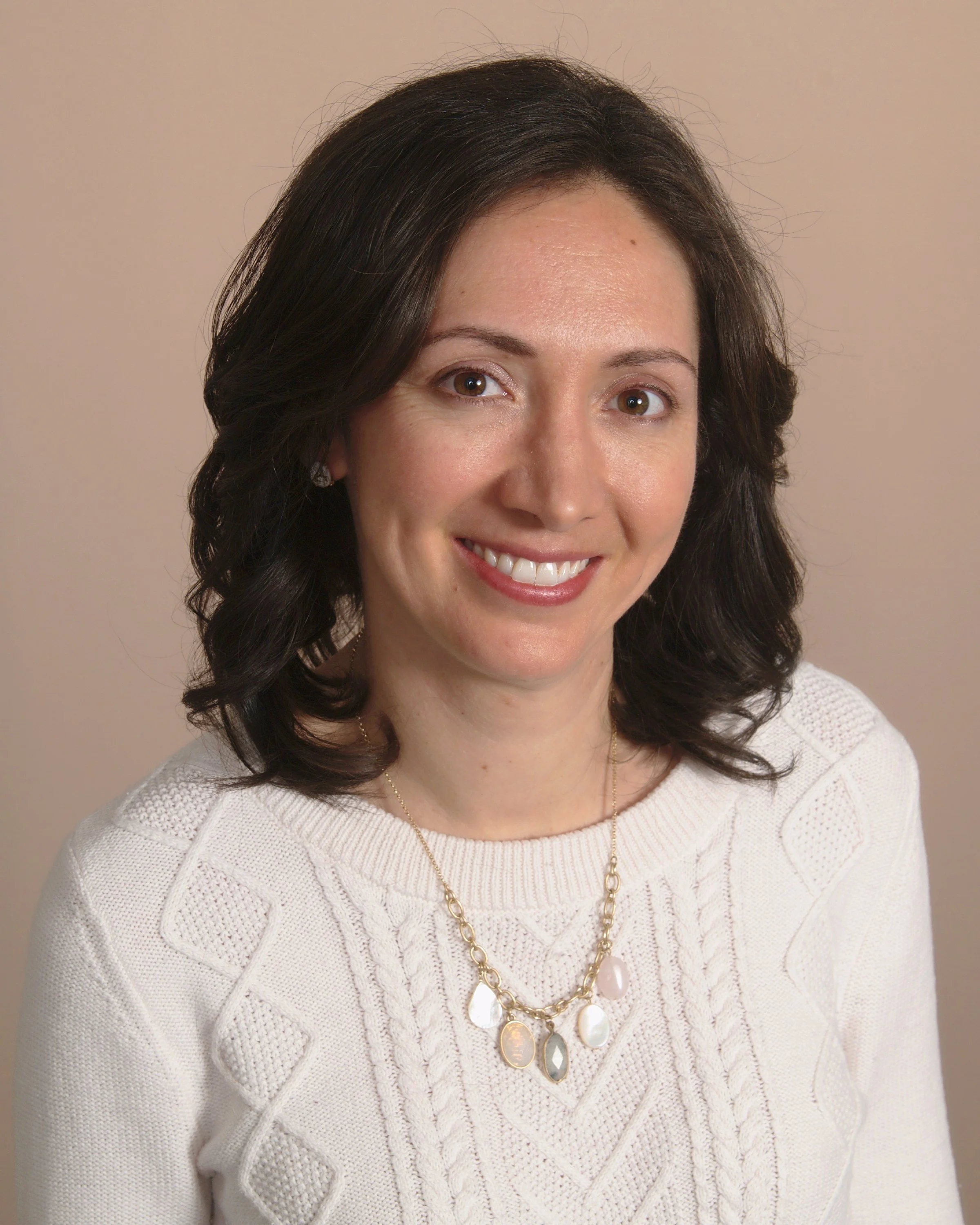
Many people who sit across from me have spent so much of their lives adapting to the people around them that they’ve lost touch with what they want and need.
Maybe you’re the easy one. The capable one. The understanding one. The person who notices when something is off before anyone says a word.
You feel things deeply, think deeply, and are incredibly attuned to the people around you (hi, fellow HSPs 👋🏼!).
You’re good at reading the room. Knowing what’s expected of you. Sensing what someone else might need.
But knowing what you need?
Well, that can be a lot harder.
What do I actually want? What feels right for me? Who am I when I’m not trying to meet everyone else’s expectations?
Maybe you’re tired of running on empty or second-guessing yourself. You want more clarity. You want to trust yourself and your intuition. You want to find your people and have relationships where you feel safe enough to actually be yourself.
More than anything, you want to build a life around who you actually are, not just who you learned you needed to be.
That’s exactly the kind of work I love doing with folks.
Maybe you’re looking for a little more peace and stability in your day-to-day.
You might be struggling with anxiety, overwhelm, exhaustion, anger, or big feelings that seem to show up at exactly the wrong time.
Maybe your inner critic never seems to quiet down.
Relationships might leave you hurt, disappointed, or questioning yourself.
You may struggle to speak up with your partner, your family, or at work.
Or maybe, you’ve started wondering how growing up with a parent who was angry, absent, dismissive, shaming, manipulative, or simply unable to meet you emotionally is still affecting you now.
Sometimes the struggle is harder to name.
You just know you want to feel better within yourself and find a way forward that feels more authentic, connected, and meaningful.
I love working with people who want to understand themselves more deeply and create something different in their lives.
People who have been through difficult things and still hold onto some hope that life can feel different.
People who want to understand their patterns without spending the rest of their lives judging themselves for having them.
People who want to improve their relationships, feel safer trusting others, communicate their needs, set healthier boundaries, and reconnect with themselves.
And people who are willing to keep showing up for themselves even when making changes feels confusing, intimidating, or overwhelming.
I see that desire for something different as a strength.
Your sensitivity isn’t something we need to fix.
You may notice subtle shifts in someone’s tone or expression. Feel deeply affected by conflict, criticism, other people’s emotions, or your environment. You might need more time to process experiences than the people around you seem to.
Sensitivity can sometimes feel overwhelming.
It can also be connected to empathy, creativity, intuition, and the ability to experience life deeply.
Our work isn’t about making you less sensitive.
It’s about helping you better understand what you’re feeling, what you need, what belongs to you, and how to care for yourself without disconnecting from an important part of who you are.
What it’s like to sit on the couch across from me
I want sitting across from me to feel like you don’t have to perform, explain everything perfectly, or have it all figured out.
I’m gentle and compassionate, but I can also be direct. I’ll listen closely, share what I’m noticing, help you make connections, and adjust how we work together based on what you need.
And the relationship we build matters to me. This can be a place where you practice some of the things that might feel much harder outside the therapy room.
Asking for what you need. Speaking up when something doesn’t feel right. Setting a boundary. Disagreeing with me. Letting someone support you. Being imperfect without immediately assuming you’ve done something wrong.
You don’t have to be a “good therapy client” here.
You get to show up as yourself. And if you’re still figuring out who that is, we can make room for that too.
We’ll pay attention to your body, too.
I believe there is wisdom in our bodies and that learning to listen to them with curiosity and compassion can be an important part of healing.
Sometimes your mind understands exactly what’s happening, but your body still braces, shuts down, becomes overwhelmed, or prepares for something to go wrong.
I incorporate somatic and mindfulness-based approaches to help you slow down and become curious about what your body may be communicating.
The goal isn’t to force yourself to calm down, or treat your body’s responses like another problem to solve. It’s to develop a kinder relationship with your body and, over time, feel more connected to and at home within yourself.
What healing might look like:
More clarity about what you feel and need.
More trust in yourself and your intuition.
More ability to speak up and set boundaries.
Relationships with more trust, intimacy, and room to be yourself.
More compassion for yourself when old patterns show up.
More connection to your body and sense of self.
More peace and stability, even when life is still life.
And, more freedom to build a life around your strengths, values, dreams, and the person you’re becoming.
Trauma recovery rarely looks exactly the way we expect it to.
I don’t believe healing requires perfection. I think there’s enormous value in learning to meet ourselves with more kindness and compassion along the way.
Sometimes when you’re searching for therapy, you don’t need someone promising to fix everything.
You just need a little rock to hang onto while you find your way through the storm.
I’d be honored to be one of those supports for you.
I specialize in providing trauma therapy in Horsham, Pennsylvania for:



I'm a Trauma Therapist in Horsham, PA
licensed counselor
QUALIFICATIONS
West Chester University- MSW
Pennsylvania- LSW
Cognitive Behavioral Therapy training through the Beck Institute
Mindfulness and Mindfulness-Based Stress Reduction
Emotional Freedom Technique
MBTI Certified Practitioner
Facilitator of Career Development
I LOVE WORKING WITH PEOPLE WHO HAVE EXPERIENCED:
Complex Trauma & CPTSD
PTSD
Being a highly sensitive people
Neurodivergence
Postpartum & motherhood struggles
Workplace stress & career transitions
Difficulties in romantic relationships and with intimacy & sexuality
Frequently asked questions:
-
Here at Reclaim Therapy we provide a free 15 minute consultation to learn more about you, what you're looking for and to answer any questions you have. Contact Us to schedule a time to chat!
-
My individual session rate is $165.
-
I'm considered an out of network provider with insurance companies. Many people who utilize out of network benefits receive reimbursement of up to 80% of session costs.
Here are helpful questions you can ask your insurance provider aboout utilizing your plan's out of network benefits:
* Do I have out-of-network mental health benefits?
* Are services rendered by a licensed clinical social worker covered?
* Is any pre-approval required before obtaining out-of-network mental health services in order to be reimbursed?
* If I have out-of-network benefits, will I be reimbursed the full amount I paid or a portion?
* Do I have a deductible and if so, what is it?
-
Payment is due at the time of service.
-
I accept cash, check, debit, VISA, MasterCard, Discover, American Express, HSA and FSA accounts and Venmo.
-
We will meet online via telehealth, or at our trauma and eating disorder therapy center at 400 Horsham Rd Horsham, PA
-
I can only provide counseling to people living in Pennsylvania.
-
I love most things creation, almost anything art, crafts, experimenting in the kitchen, planting in the garden and more. I love learning about history, especially people’s stories and experiences, making connections to what people have lived through and done in the past and connecting it to human nature today. Nature is a balm for my soul and I try to get out there on pretty days and some rainy ones.