
Experiencing Orthorexia: Treatment for Orthorexia in Pennsylvania
“Eating healthy in college is so important”, they said. “It can be so easy to lose control in those dining halls full of processed foods”.
Messages such as these, whether explicitly stated or implied, stuck with me, and made my relationship with food incredibly challenging.
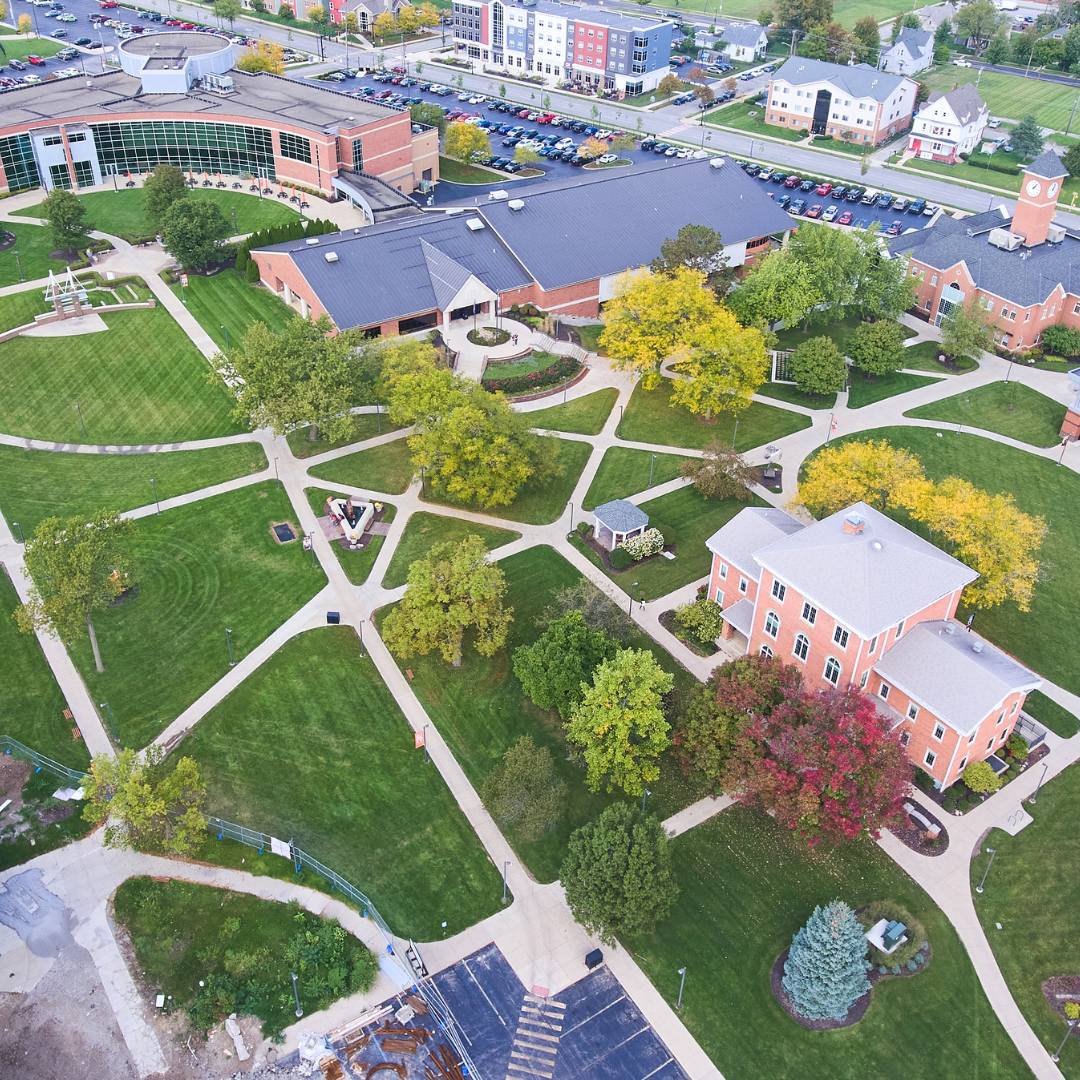
I stepped onto my college campus with a craving for freedom, choice, and ultimately a sense of control. Leaving my hometown to live on my own felt liberating.
A perfectionist at heart, I was thrilled at the opportunity to “start fresh”.
Like many college freshmen, I also struggled with anxiety. As much as I craved freedom, choice, and “control”, so much felt out of my control and that filled me with dread. It was as though I was hurtled into a brand new world without any preparation.
The perfectionist within remembered the ubiquitous message: “It’s important to eat healthy once you get to college”. “That’s it, that’ll do it”, I thought. Beneath the surface, “healthy eating” felt like the perfect solution to all of my struggles. It felt like just the thing that would manage, if not cure, my anxiety.
Naturally, the first class I signed up for was an introduction to nutrition. It was all a part of the plan: “start fresh, start right”. I remember viewing my first quarter schedule with pride at how much I was “taking care of myself” right off the bat.
I learned a great deal of information in that nutrition class and also very quickly turned basic nutrition guidelines into hard-and-fast rules that I could follow in order to maintain my “health” through food choices while in college. The path had been set.
A year later, the university developed a dining hall that focused on sustainable and healthy eating. It advertised “high-quality foods” that were locally sourced and prepared in the most healthful ways. My perfectionistic, health-focused tendencies were thrilled. It felt easier than ever to abide by my food rules at a dining hall that seemed to have it all figured out.
Everything felt perfect.

until it didn’t.
When I wasn’t able to eat at this dining hall for whatever reason - maybe friends didn’t want to go there or it wasn’t open, I felt internally aggravated. On days where I ate “poorly”, I was filled with guilt and anxiety. My self-worth became so tied up with whether or not I did “good” that day.
I fell in and out of these obsessive tendencies over the next few years, often filled with guilt when I had a “bad” day with the sincere hope that I could “do better” the next. The cycle felt endless and exhausting. It made eating way less enjoyable and the anxiety that this “healthy eating” seemed to resolve never truly went away.
If anything, my fixation on health made it worse.
College laid the groundwork for my “orthorexic” tendencies. Orthorexia Nervosa, while not officially a diagnostic category in the DSM-5, is lauded by many mental health professionals in the eating disorder field as worthy of attention, research, and treatment. There is ongoing debate regarding the need for formal diagnostic criteria for orthorexia nervosa to improve identification and treatment.
Orthorexia Nervosa refers to an obsessive focus on healthy, pure, and/or clean eating. People with these tendencies might experience orthorexia symptoms, where they will fixate on the quality of foods, where they originate, how they’re processed, and how they’re prepared. Individuals often develop strict dietary rules and self imposed dietary rules to maintain their standards. While some may wonder why a focus on healthy eating would be a problem, it’s important to note the word “obsessive”.
Health-seeking behavior becomes problematic when individuals are excluding “unacceptable foods” to the point where it’s impacting physical, social, and emotional functioning. These behaviors can compromise nutritional status and lead to physical consequences such as malnutrition and other health complications. For more detailed signs and symptoms and eating disorder symptoms of Orthorexia Nervosa, check out our recent blog post.
While not an official diagnosis yet, orthorexia nervosa should be taken seriously.

Individuals with orthorexia, or orthorexic tendencies, may experience malnourishment as a result of their fixation on “clean eating”. This can lead to both physical and mental health concerns, and orthorexia may co-occur with other mental health conditions such as anxiety, OCD, or depression, complicating diagnosis and treatment. It can impact cognitive functioning, the immune system, and organ failure. Emotionally, folks may experience dysregulation, increased depression and anxiety, and increased suicidal ideation and self-harm.
It’s also more likely that these folks will struggle in their relationships with others because orthorexic tendencies encourage isolation and withdrawal in order to maintain adherence to “clean eating”. Restrictive diets can further isolate individuals and prevent them from achieving proper nutrition, increasing the risk of nutritional deficiencies and social withdrawal.
It’s often said that our relationship with food can be an indicator for how we show up in the rest of our life. My rigidity with food could easily be found in my relationship with school work, work-work, and with important people in my life. By attempting to control, fix, and perfect, I was stuck in a never-ending cycle of anxiety, guilt/shame, and then more anxiety—making it difficult to maintain both physical and mental health.
What is Orthorexia? Definition and Diagnostic Criteria
Orthorexia, or orthorexia nervosa, is a complex eating disorder characterized by an obsessive focus on healthy eating and an extreme preoccupation with the purity and quality of food. First described by Dr. Steven Bratman in 1997, orthorexia nervosa has gained increasing attention among mental health professionals, even though it is not yet officially listed in the Diagnostic and Statistical Manual of Mental Disorders (DSM-5). Despite this, orthorexia is recognized as a serious mental health condition that can have profound effects on both physical and mental well-being.
Unlike other eating disorders such as anorexia nervosa, bulimia nervosa, or binge eating disorder, orthorexia nervosa is not primarily concerned with weight, body shape, or the quantity of food consumed. Instead, it is an eating disorder characterized by a relentless pursuit of eating only foods deemed “clean,” “pure,” or “healthy.” Individuals with orthorexia often develop rigid dietary rules, sometimes eliminating entire food groups or restricting their eating habits to foods that meet strict self-imposed standards. This can lead to significant nutritional deficiencies, compromise physical health, and result in emotional distress.
Proposed diagnostic criteria for orthorexia nervosa include an intense preoccupation with food quality and nutritional value, excessive time spent planning, sourcing, and preparing meals, and a sense of guilt or anxiety when unable to adhere to dietary rules. These self-imposed dietary restrictions can disrupt daily life, strain relationships, and lead to social isolation, as individuals may avoid eating with others or participating in social events that involve food. The psychological aspects of orthorexia nervosa often overlap with symptoms seen in obsessive compulsive disorder, as the need for control and perfectionism drives disordered eating behaviors.
The physical health consequences of orthorexia can be severe, including malnutrition, weakened immune function, and other health complications related to eliminating entire food groups. Emotionally, individuals with orthorexia may experience heightened anxiety, depression, and a diminished sense of self-worth tied to their eating habits.
Treating orthorexia nervosa requires a comprehensive approach that addresses both the psychological and nutritional aspects of the disorder. Cognitive behavioral therapy (CBT) is often used to help individuals challenge distorted beliefs about food and eating, while nutrition counseling supports the development of a more balanced and varied diet. Exposure therapy can also be helpful in gradually reintroducing foods or eating situations that trigger anxiety. For some, support from orthorexia nervosa centers, group therapy, or specialized treatment plans may be necessary, especially if other eating disorders or avoidant restrictive food intake disorder are present.
Recovery from orthorexia nervosa is possible with the right support and treatment. By working towards a healthy relationship with food, embracing flexibility, and fostering a positive body image, individuals can reclaim their mental and physical health and move towards a more fulfilling, balanced life.
Like all forms of disordered eating, the expression of Orthorexia (through behaviors and symptoms of orthorexia) lie on a spectrum.
Like many people with orthorexia, my orthorexic tendencies came and went in waves. Even when they were most present in my life, they remained relatively hidden.
After all, we live in a society that glorifies “healthy eating”.
If anything, I felt like I was setting a good example for others. (Orthorexic tendencies can make us feel superior in some ways, which temporarily feels good but doesn’t last all that long).

Beyond college, I went on to experiment with other “cleanses” with the hope that I would be made whole again after “falling off the [health] wagon” every now and again. But ultimately, obsessing over clean/pure eating resolved nothing. It kept me stuck in a form of rigidity that seeped into all other areas of my life. Exposure to modern health narratives and dietary movements can contribute to disordered eating patterns, reinforcing the obsessive focus on food purity that underlies orthorexia.
It wasn’t until I engaged in deeper, long-term therapy for orthorexia work that I discovered a desire to engage more flexibly and compassionately with myself and with life. This was also around the time that I discovered anti-diet and intuitive eating movements that helped me transform my relationship with food. Treating eating disorders like orthorexia often requires a comprehensive approach, including therapy, psychoeducation, and support, to address both the psychological and behavioral aspects.
Now, as I continue to engage with this work both as an individual and as a therapist, I feel liberated around food and have noticed big shifts in my relationships, my work life, and most importantly in my relationship to myself.
There’s so much more compassion, way more flexibility, and I now take time to be with my emotions instead of attempting to control them with food.
If you think you might be struggling with orthorexia, below are some tips that may be supportive:
Get curious about your food rules.
As I discovered intuitive eating, I got curious about the food rules I clung to. I began to ask myself questions: Where did I learn this food rule? Did I learn this from family, friends, diet books, wellness influencers, or somewhere else?
Before we can challenge the food rules that no longer serve and get more flexible in our relationship with food, it’s helpful to develop a gentle curiosity about our history with food and all of the ways we’ve been impacted by the world around us.
Hold judgments lightly and invite in self-compassion.
As we develop more awareness of our food rules and how they make us feel, it can be easy to judge, judge, and judge some more. It’s important to notice the judgments that arise (letting them float on by like clouds in the sky) as you reflect on the origins of your food rules.
Statements like “It makes sense that I’ve adopted this food rule because x, y, z. May I be kind to myself in this moment as I continue to explore.” Judgment and self-criticism are like pouring salt on a wound. Getting into the practice of validation and compassion can make all the difference.
Seek support.
Challenging orthorexic tendencies can be incredibly daunting. Relating to food in this way may have been a huge source of safety and comfort for you. As you embark on this journey, it can be helpful to look into treatment options and seek support from a therapist and/or registered dietitian who specializes in eating disorders and disordered eating.
Orthorexia often overlaps with obsessive compulsive disorder (OCD), as both can involve rigid routines and obsessive thoughts about healthy food and eating healthy food. Commitment therapy, as part of Acceptance and Commitment Therapy (ACT), is often used to help develop mental flexibility and address these preoccupations. Therapy may also involve gradually facing fears related to eating food that is not considered healthy, helping to reduce distress and promote more balanced eating behaviors. Assessment and treatment often focus on attitudes toward healthy food and the impact of eating healthy food on daily functioning.
Additionally, there are plenty of resources out there for folks who may be struggling. Resources that have been transformative for me in my journey include:
Christy Harrison’s book Anti-Diet (she recently also published a book called The Wellness Trap)
If you are struggling in your relationship with food and would like to learn more about resources and support, we invite you to reach out.
Our therapy team here at Reclaim Therapy would love to support you as you begin to explore your relationship with food and your relationship with yourself.
Please know that there is freedom on the other side of orthorexic tendencies, and therapy for orthorexia is available.
Here to support you should you need it,
Reclaim Therapy is an eating disorder and trauma therapy center in Pennsylvania.
We provide eating disorder therapy in Pennsylvania for people who are struggling with their relationship with food and their body image. If you've been searching for orthorexia treatment near me, we're so glad you found us.
Reach out today to get started with a compassionate orthorexia therapist in Pennsylvania!